
Galapagos Conservation believes in the power community has to protect the unique eco-systems of the archipelago. Ocean Scouts Group No. 1 will be empowered by Silversea Cruises in partnership. In Galapagos, 17 members will become certified scuba diver. This initiative teaches these young aquanauts diving and underwater exploration techniques, eventually building a team of locals capable of ocean conservation underwater projects.
A Unique Experience
The eleven participants who earned their scuba certification have achieved a major milestone. They learned the essential diving techniques with the help of experts. The training they received has allowed them to explore the Galapagos Marine Reserve. This reserve is home to many unique species, including sharks, mantas rays and sea turtles.
In San Cristobal Island in Puerto Baquerizo Moreno there was a strong community interest in this project. Many families supported their children actively. Through coordinated dives, and teamwork underwater, the scouts developed a lasting relationship with the ocean. The Galapagos Marine Reserve is better protected when young people have first-hand experience of the marine life. This will instill a sense responsibility that will last generations. One participant was so excited about their experience that they said: “I’d never imagined seeing a shark up-close.” Now I feel like it’s my duty to protect them.”
Learning to overcome challenges
Participants faced challenges throughout the project. One of these was balancing diving training with school obligations. Teamwork was essential to overcome these obstacles. One scout was a leader who inspired his peers to complete certifications. The scouts developed a sense of camaraderie and improved their problem-solving and confidence skills. These young people’s growing leadership skills highlight their potential to inspire others. They are becoming more skilled divers, and they will be passionate advocates for the Galapagos Marine Reserve.
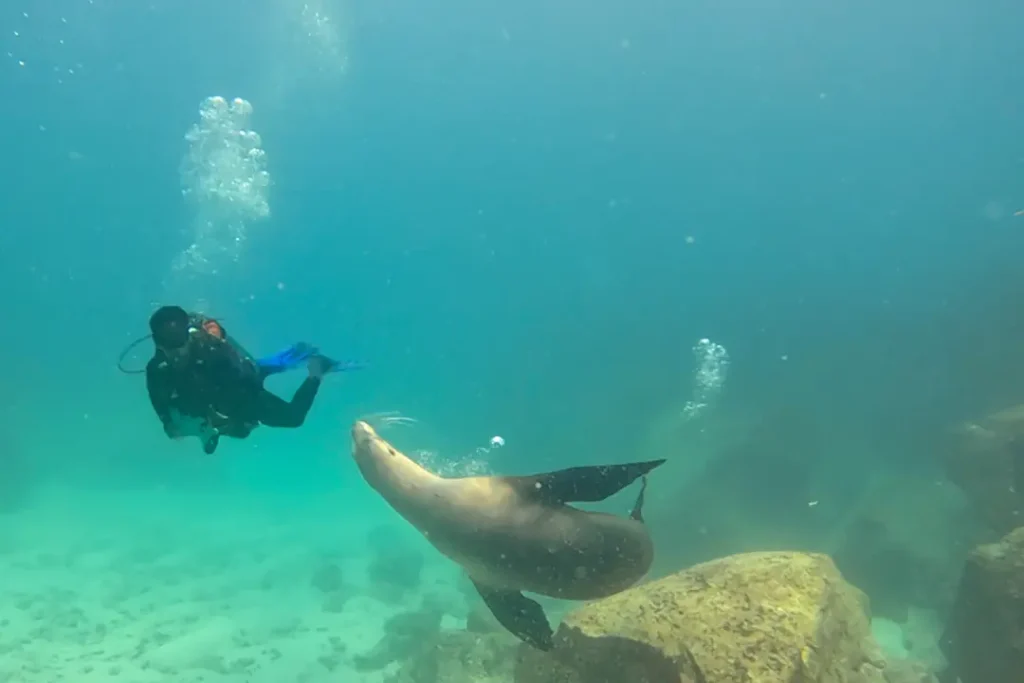
Photo: ©Scouts Galápagos
A Lasting Legacy
This project has a far-reaching impact. It goes beyond the training of skilled divers. It represents the Galapagos Conservancy’s commitment to conservation and sustainability in the Galapagos Archipelago. By providing young people with the knowledge and skills to protect their marine environment, these ambassadors can help conserve the unique marine biodiversity of their home. This initiative demonstrates our commitment to ocean protection by supporting marine environmental education.
This legacy enriches the lives of young people and benefits future generations through the promotion of a culture that values and cares for nature. These youths, as they continue their learning and discovering journey, embody the hope of a future in which marine conservation will be entrusted only to those who understand and value it. We are committed in building a community of people who actively protect the Galapagos Marine Reserve to ensure its beauty and natural riches are preserved for many years to come.
A Call to Action
Join us in our conservation efforts. Supporting initiatives such as the Ocean the Scouts diving training program empowers the youth in Galapagos and helps them protect one of the most valuable ecosystems on the planet. Together, we can make sure that the oceans in Galapagos are a vibrant refuge for many of its unique species and leave a lasting legacy for future generations.
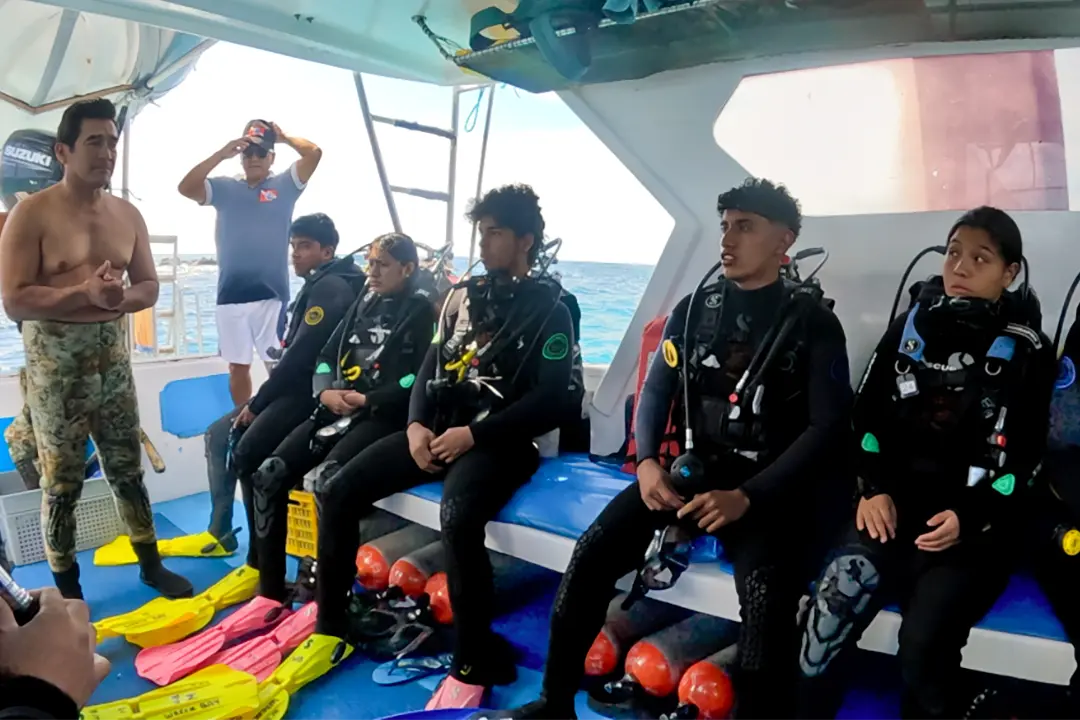
Photo: ©Scouts Galápagos
Since 2022, Galapagos Conservancy is working with the Galapagos National Park Directorate on the Conservation and Management Plan of the Galapagos Pink Iguana ( Conolophus Marthae ). This plan will be implemented for the years 2022-2027. The species was discovered in 1986, and it was formally described in 2009. There are only 300 individuals left. It is imperative to protect the pink iguana. The plan is detailed, and prioritizes the control of invasive species while conducting research in order to fill critical holes in our understanding of iguana ecology.
A team of eight scientists and rangers from the Galapagos Conservation Society embarked recently on an expedition to the Wolf Volcano in northern Isabela Island. This is the only habitat known for the pink Iguana. Our team was fulfilling our responsibility to save the species by monitoring the population, assessing the habitat, and understanding the threats that it faces. Information gathered will be crucial in determining if and how the plan can move forward to its second phase, which could include creating a captive breeding program or a head-start to increase the survival rate of pink iguanas.
Conservation: Advances and Challenges
The expedition revealed important insights into the progress made and the challenges faced in saving pink iguanas from extinction. It was encouraging to see healthy adults. No neonates or juveniles have been detected. Numerous tracks of feral cat were found during this expedition. This raises concern over the cats’ role in decreasing the survival of the pink iguanas.
Extending the Benefits from These Expeditions
These expeditions are primarily designed to protect the pink Iguana. However, their impact goes far beyond that of a single species. Every visit to Wolf Volcano provides an opportunity to monitor other endangered species in the region. On a recent expedition, for example, 55 yellow Galapagos Iguanas were observed ( Conolophus Subcristatus), including five neonates. These data are crucial to the refinement of conservation strategies for species that live in similar habitats. This information is also useful in determining the possible impact of yellow iguanas on pink iguanas.
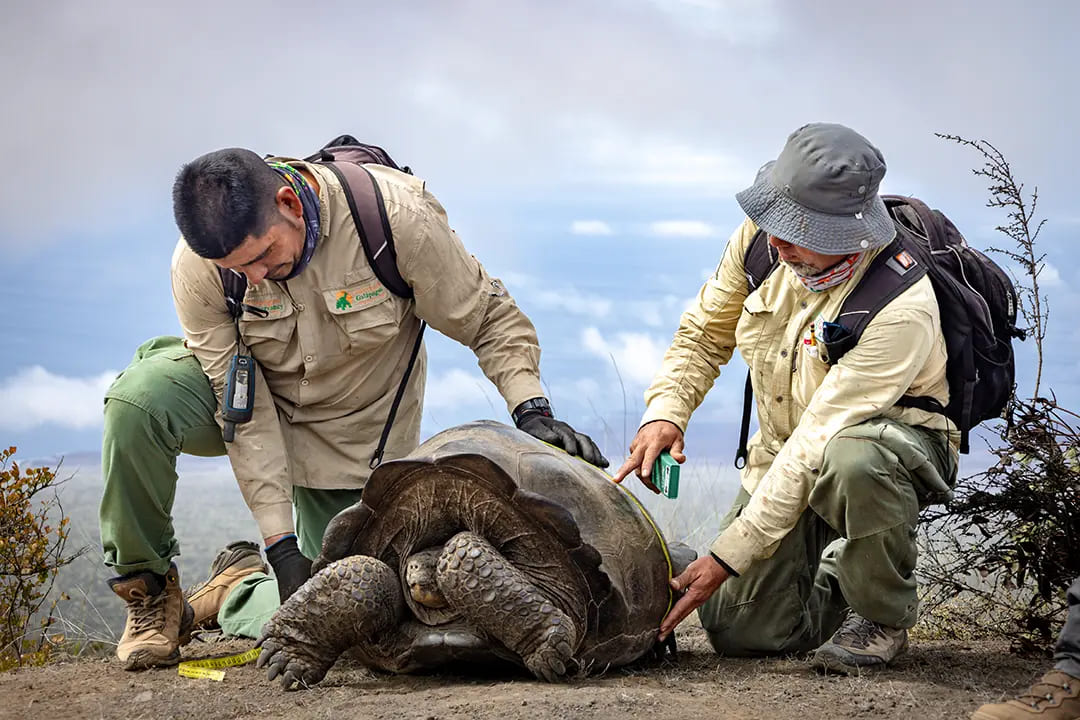
These expeditions collect important data about the giant tortoises that are endemic to the Volcano ( becki ). The observations included male, juvenile, and female tortoises. Females are found more often at lower elevations during nesting season. Our conservation team monitors the tortoises’ well-being, and identifies any threats that they may face. The park guards are attempting to stop an exotic guava species from invading the Wolf Volcano.
The Pink Iguana Conservation and Management Plan : A Pathway to Recover
The 2022-2027 Pink Iguana Conservation and Management Plan has been strategically organized to guide our efforts. We are focusing on filling in knowledge gaps about pink iguana ecologie during the first phase of 2022-2024. Where necessary, we also control invasive species. We are committed: If we don’t see the desired results, like increased natural recruitment by the third year, we will move on to the next priority in the plan, which is implementing a breeding and rearing program. We can respond to challenges by adapting our approach and pivoting to new strategies to ensure the survival of a unique species.
Committed to Long-Term Sustainability
Galapagos Conservancy and our partners are fully committed to the conservation of the pink iguana. Quarterly expeditions to Wolf Volcano are part of our active implementation of the Management Plan. These expeditions are used to monitor the iguana populations and reduce predators, improving the conditions for native species recovery, including pink iguanas as well as other species that inhabit the vulnerable area.
The future of the Pink Iguana depends on the continued efforts and commitment of those involved in its protection. In the years leading up to 2025, the results of these expeditions will determine the next steps in the preservation of this iconic species from the Galapagos Islands.
A Call to Action
These findings go beyond data collection and serve as a powerful message about our shared responsibility for wildlife conservation. As Dr. Carrion has stressed, the absence of pink iguanas in their young age highlights the need for greater intervention. Our Conservation Director, Jorge Carrion, stresses the importance of this for the long-term sustainability of the species.
We returned from the expedition with not only valuable data, but also a renewed hope and a vision. Together, we can ensure a sustainable future on Wolf Volcano for pink iguanas and yellow iguanas. The responsibility of protecting the wildlife on Wolf Volcano falls to all.
©Galápagos Conservancy