Galápagos Islands Guide
All 13 Major Islands

The Galápagos archipelago consists of 13 major islands, 6 smaller islets, and 107 rocks/islets located 1,000 km off Ecuador’s Pacific coast. Each island has a distinct wildlife profile, geology, and visitor experience. Santa Cruz is the logistics hub; Española is the only waved albatross nesting site; Fernandina has zero invasive species.

Key Facts About the Galápagos Island

FACT DATA

Total land area

7,880 km² (3,040 sq mi)
Protected Area
97% — Galápagos National Park + Marine Reserve
Inhabited islands
4 (Santa Cruz, San Cristóbal, Isabela, Floreana)
UNESCO World Heritage
Since 1978 (first site inscribed in the program)

Navigate the Islands

13 major islands. Each one different.
Ordered by visitor importance.

Navigate the Islands

13 major islands. Each one different.
Ordered by visitor importance.

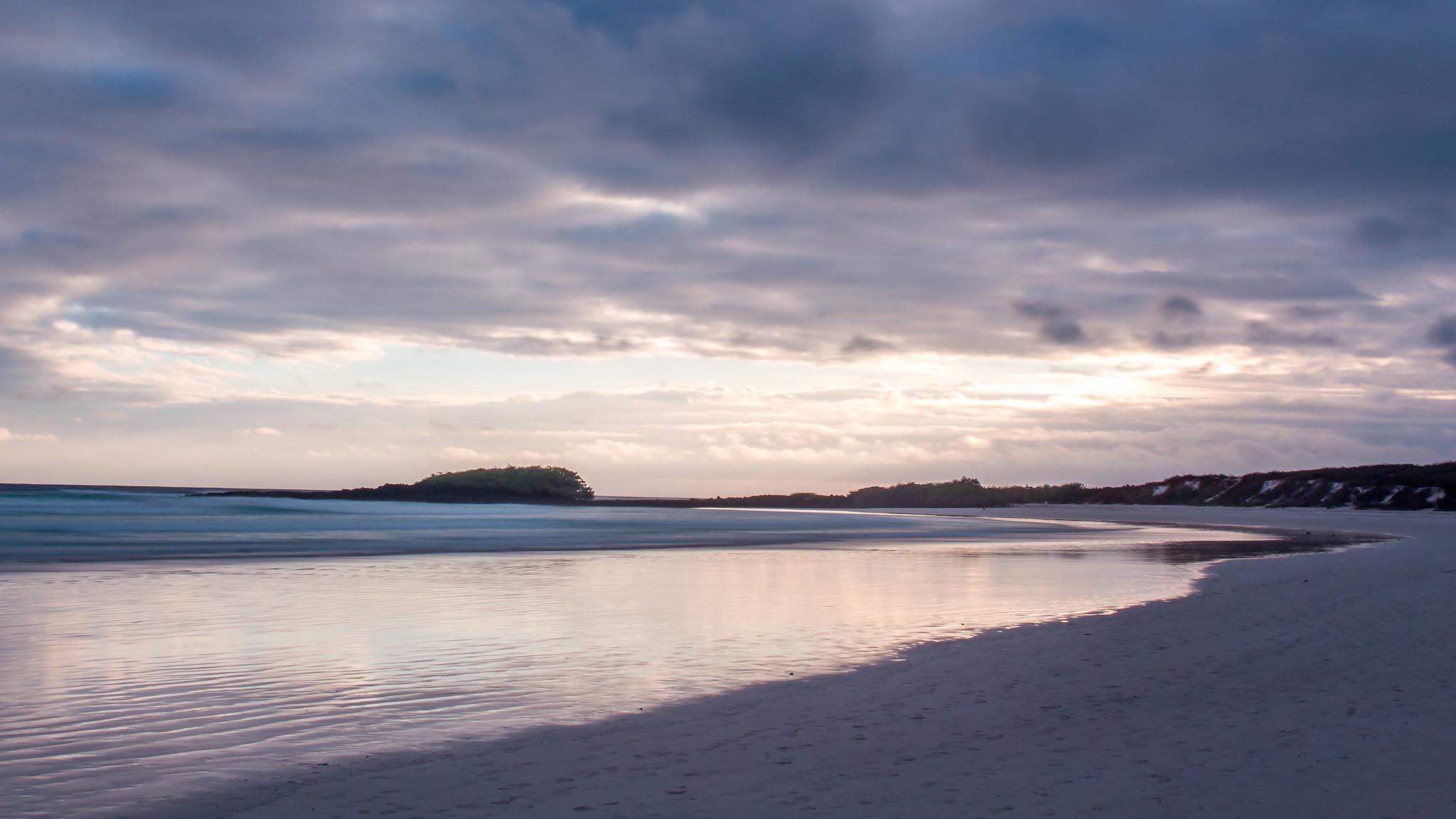
Tortuga Bay Santa Cruz

Santa Cruz Island

Best for: First-time visitors, land-based stays, tortoise encounters

Home to Puerto Ayora (largest town), the Charles Darwin Research Station, and El Chato Highland Reserve — one of the few places where you walk freely among wild. Seymour/Baltra Airport is 15 minutes away by ferry.

KEY WILDLIFE

Giant Tortoise

Finches

Sea Turtles

Isabela Island

Isabela Island

Best for: Volcano hiking, marine iguanas, penguins at the equator

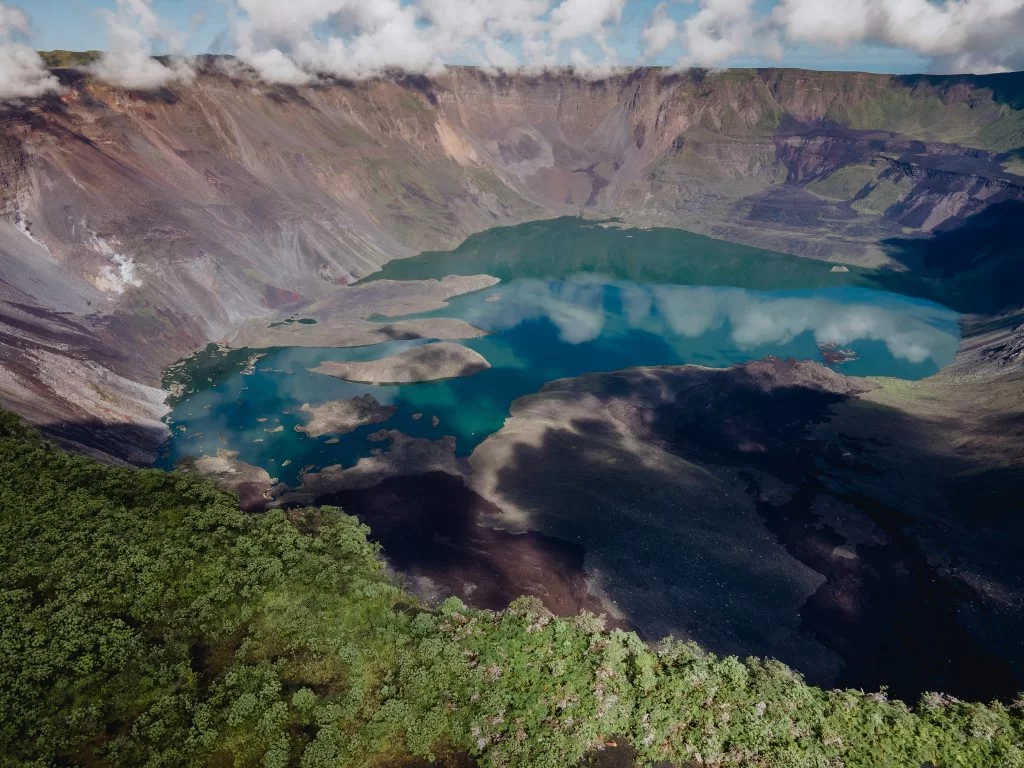
Largest island (4,588 km²), formed by six merged shield volcanoes. Sierra Negra Volcano has one of the largest active calderas in the world (~10 km diameter). The only island where multiple Galápagos tortoise lineages coexist.

KEY WILDLIFE

Giant Tortoise

Flightless cormorant

Galápagos penguin

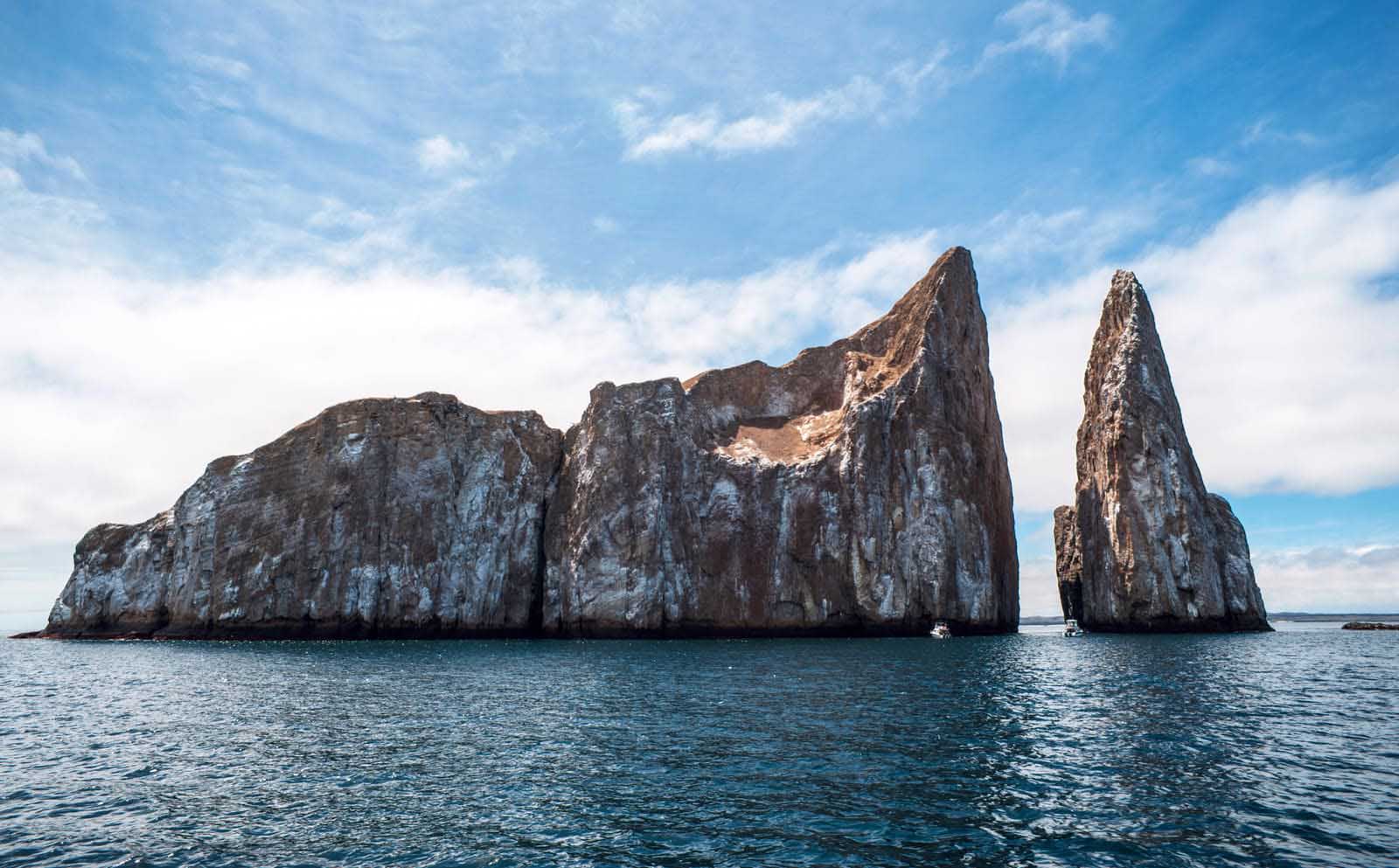
Kicker Rock, San Cristobal Island, Galapagos

San Cristóbal Island

Best for: History, diving, kicker Rock

Administrative capital of the Galápagos province. Often described as Darwin’s first island landfall in 1835. Kicker Rock (León Dormido) — a ~150 m volcanic formation — is among the best hammerhead shark dive sites in the archipelago. El Junco Lagoon is the only permanent freshwater lake in the Galápagos.

KEY WILDLIFE

Sea Lions

Blue-footed Boobies

Hammerhead Sharks

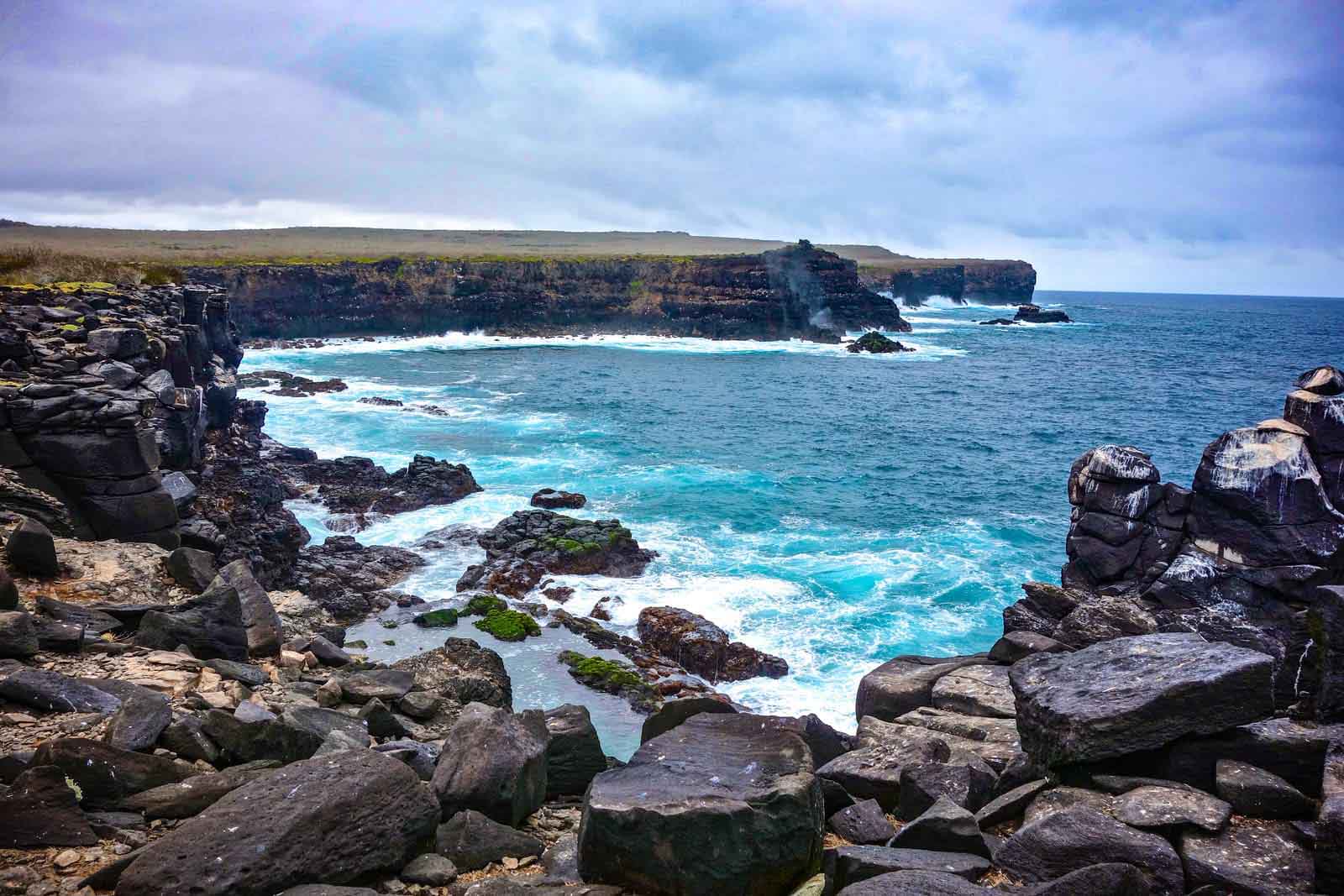
Suarez Point, Española Island, Galapagos

Española Island

Best for: Birding, waved albatross, dramatic coastal scenery

Oldest island in the Galápagos (est. ~3.5 million years). The only nesting site on Earth — thousands of pairs breed here April–December. Punta Suárez is rated by many naturalists as the single best visitor site in the archipelago.

KEY WILDLIFE

Waved Albatross

Nazca Boobies

Marine Iguanas

Bird's eye view of Fernandina Island

Fernandina Island

Best for: Pristine wilderness, flightless cormorants , active volcano

Youngest and most volcanically active island. La Cumbre Volcano last erupted in 2024. Zero invasive species have ever established here. Espinoza Point hosts the largest marine iguana colony in the Galápagos and the world’s entire flightless cormorant population. Western itineraries only.

KEY WILDLIFE

Marine iguana

Flightless cormorant

Galápagos penguin

Floreana Island, Galapagos Islands, Ecuador

Floreana Island

Best for: History, flamingos, small-group intimacy

The most dramatic human history in the archipelago — the 1930s Floreana Affair (European settlers, a self-styled baroness, suspicious disappearances) is still unsolved. Post Office Bay — a barrel serving as a mail system since the 18th century, still in use — is a unique stop. Devil’s Crown is among the top snorkeling sites in the Galápagos.

KEY WILDLIFE

Flightless cormorant

Sea turtle

Sea lion

darwin bay genovesa island

Genovesa Island

Best for: Seabird colonies, red-footed boobies, frigatebirds

“Bird Island” — accessible only via northern itineraries (6–8 hour overnight sail). The entire island is a collapsed volcanic caldera. Darwin Bay hosts one of the world’s largest red-footed booby colonies. Prince Philip’s Steps trail passes through nesting frigatebirds at arm’s length.

KEY WILDLIFE

Red-legged booby

Frigatebird

Nazca boobies

Bartolome Island

Bartolomé Island

Best for: Photography, pinnacle Rock, Galápagos penguins

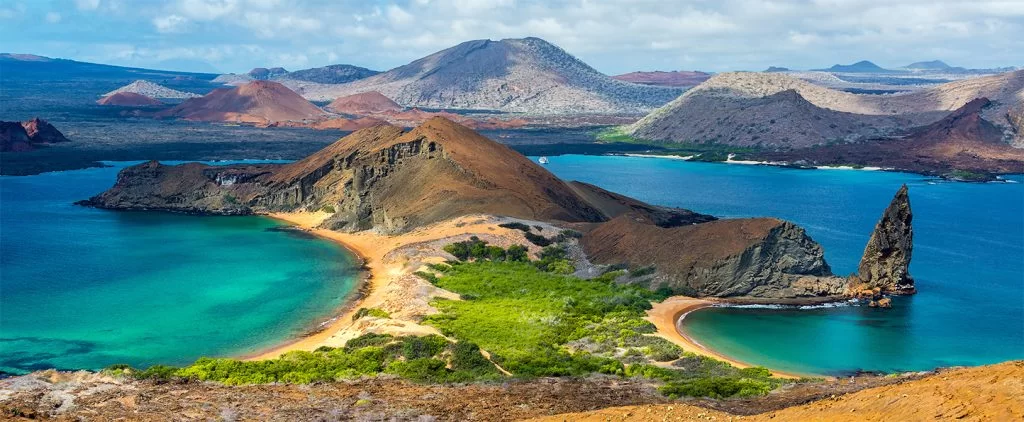
The most photographed island in the Galápagos. The summit view over Pinnacle Rock with Santiago Island behind is the archipelago’s most reproduced image. Snorkeling beside Pinnacle Rock delivers Galápagos penguins swimming alongside tropical fish in the same water.

KEY WILDLIFE

Sea lion

Sea Turtles

Galápagos penguin

Land Iguana on Santiago Island

Santiago Island

Best for: Lava formations, fur seals, geological diversity

No permanent human population. Sullivan Bay contains a vast pahoehoe lava field from an 1897 eruption — among the best places to observe recent volcanic formations up close. Puerto Egas hosts a large Galápagos fur seal colony in sea caves and lava grottos.

KEY WILDLIFE

Marine Iguana

Sea lion

Sea Turtles

Island Seymour

North Seymour Island

Best for: Blue-footed boobies, frigatebirds, day trip from Baltra

Small uplifted island 1.5 km north of Baltra, reachable in 30 minutes. Its ~1.9 km trail loops through one of the most concentrated nesting sites for blue-footed boobies and magnificent frigatebirds in the archipelago — active nests within 1–2 meters of the trail.

KEY WILDLIFE

Magnificent frigatebird

Blue-footed Boobies

Marine iguana

Rabida Island

Rábida Island

Best for: Color contrast, flamingos, sea lion snorkeling

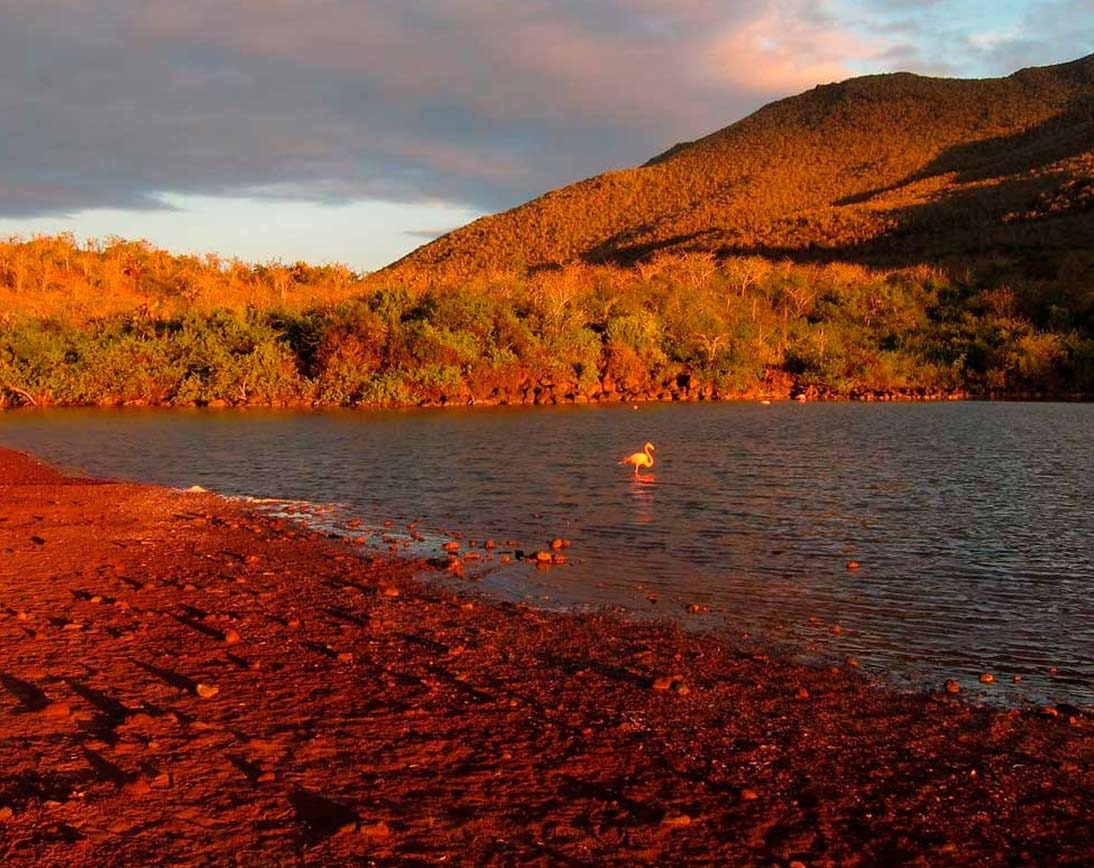
Known for its distinctive dark-red beach (high iron content in volcanic rock). A flamingo lagoon directly behind the beach hosts a small resident flock year-round. Snorkeling rated among the best in the central islands for sea lion interactions. Fewer crowds than Bartolomé or North Seymour.

KEY WILDLIFE

Brown pelican

Sea lion

Flightless cormorant

Santa Fe Island

Santa Fe Island

Best for: Land iguanas, giant cactus forest, sea lions

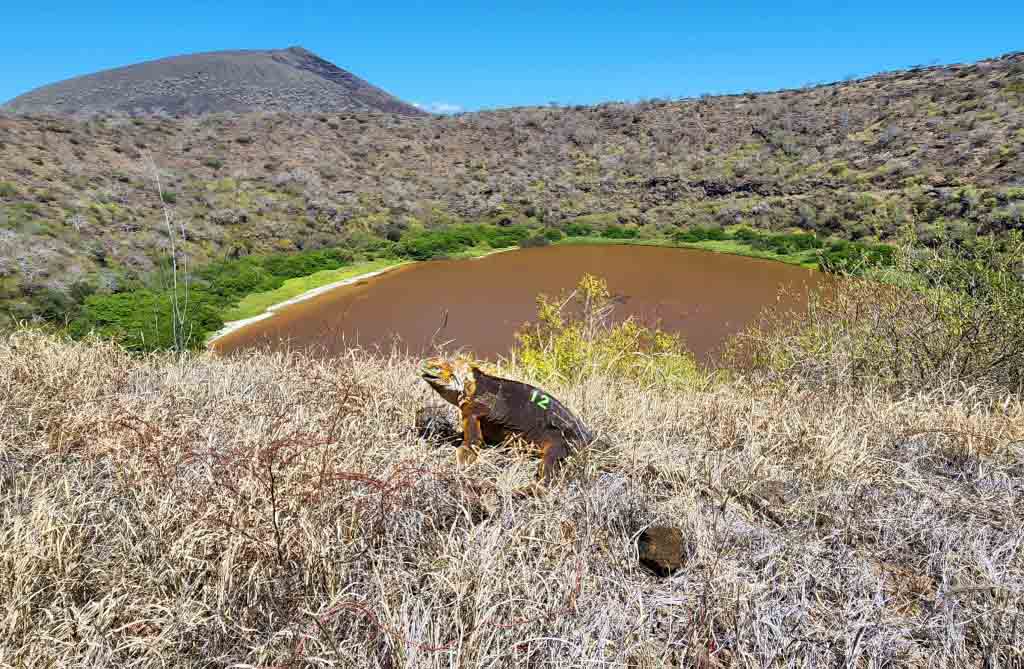
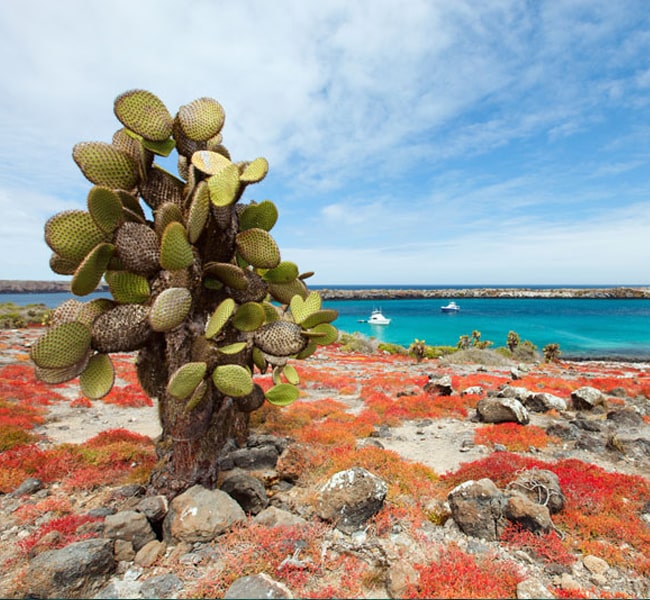
Hosts the Santa Fe land iguana (Conolophus pallidus), found only here. Its giant Opuntia cactus forest (trees reaching ~10 m) is among the most impressive in the archipelago. A well-established sea lion colony on the beach makes Santa Fe one of the most wildlife-dense half-day stops in the central islands.

KEY WILDLIFE

Marine iguana

Sea lion

Hammerhead Sharks

South Plazas Island

South Plaza Island

Best for: Wildlife density, land-sea iguana hybrids, sea cliffs

Tiny (~13 hectares) but extraordinary wildlife density: a sea lion bachelor colony, land iguanas foraging on Opuntia cactus pads, and a sea cliff with swooping swallow-tailed gulls, Nazca boobies, and red-billed tropicbirds. One of the only documented locations of land-marine iguana hybrids. ~45-minute boat ride from Puerto Ayora.

KEY WILDLIFE

Marine iguana

Sea lion

Fork-tailed gull

How to Choose Your Islands

Match trip length and interest to the right island combination.

BY TRIP LENGTH

Shop trip (4-5 days)

Central islands — Santa Cruz, Bartolomé, North Seymour, South Plaza, Santa Fe. Maximum wildlife diversity per day.

7 - 8 days

Add southern islands (Española, Floreana, San Cristóbal) for waved albatross and diving.

Full expedition (8+ days, western)

Isabela and Fernandina. Most pristine wildlife; not accessible on shorter itineraries.

BY INTEREST

Birders

Prioritize Española (albatross) and Genovesa (red-footed boobies).

Divers

San Cristóbal (Kicker Rock) and liveaboard routes to Darwin/Wolf.

When you are ready, move on to planning your cruise check the best time to visit, or compare luxury expeditions for western-circuit access.

Choose Your Planning Path

Whether you’re traveling directly or planning for clients, we’ll point you to the right team.

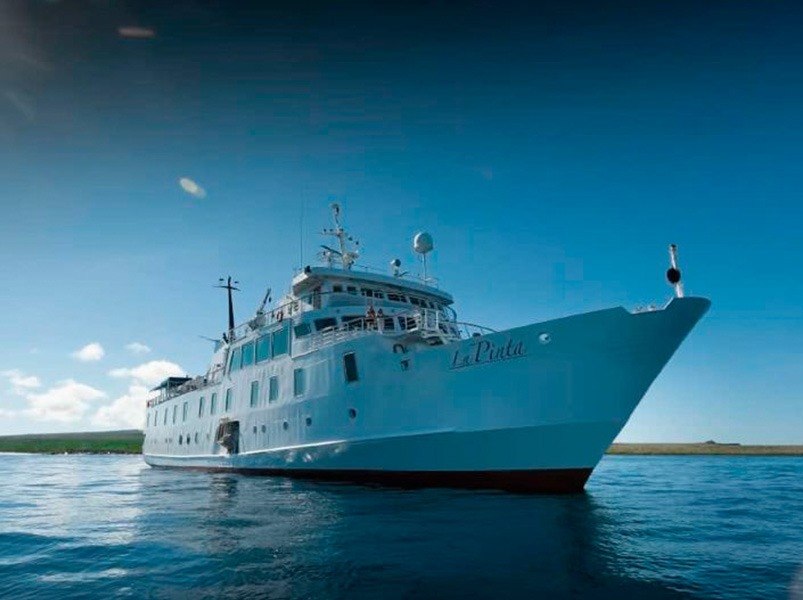
pinta-cruises-photo

FOR DIRECT TRAVEL

Voyagers Travel Company

Build your island itinerary. Voyagers Travel Company specializes in custom Galápagos island combinations — cruise, land-based, or hybrid. Contact their team for current cruise availability and island routing advice.

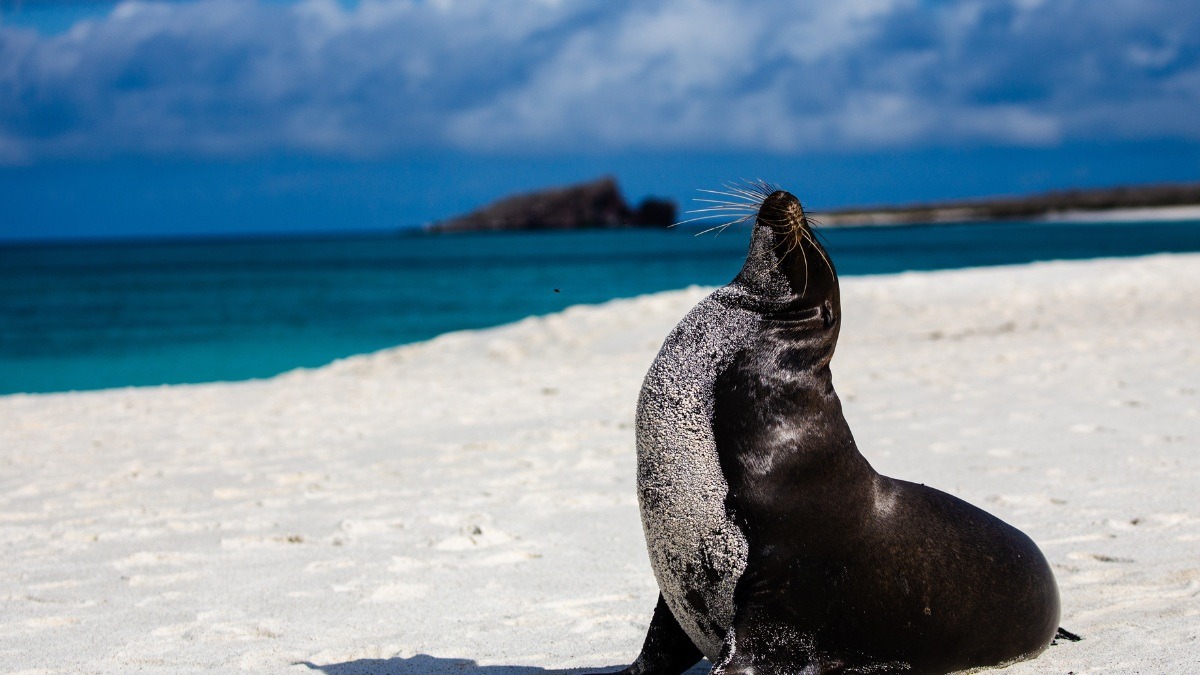
playa-mansa-and-sea-lion

FOR TRAVEL AGENTS & TRADE

Latin Trails

Latin Trails designs private island programs and FIT packages with flexible routing. Contact the DMC team for trade pricing.

Frequently Asked Questions

How many islands can you visit in the Galápagos?

Visitors can access approximately 50 visitor sites across 20+ designated islands and islets. A typical 8-day cruise visits 8–10 sites across 5–7 islands. Some islands (Darwin, Wolf) are accessible only by liveaboard dive cruise. Fernandina, Española, and Genovesa require western or northern itineraries not available on 4–5 day trips.

Which Galápagos island is the best to visit?

There is no single best island — each serves a different purpose. Santa Cruz is the best base for land-based travelers. Española has very high endemic species density per square kilometer by most naturalist assessments. Fernandina offers the most pristine environment. The right answer depends on whether you prioritize accessibility, wildlife density, photography, diving, or history.


Do you have to visit the islands by cruise?

No. The four inhabited islands (Santa Cruz, San Cristóbal, Isabela, Floreana) are accessible via inter-island ferries ($30–35 per route, ~2–2.5 hours) or short-hop flights. The uninhabited islands are accessible only via National Park-authorized day tours or overnight cruises — independent access is prohibited by park regulation.

Explore More

Discover more islands, plan your journey, and learn everything you need for the perfect Galápagos trip.

Explore Each island

More islands

Plan Your Island Visit

Need Help?

Our Galapagos specialists are here to help you plan the perfect adventure.