North Seymour Island
Are you looking for an exciting destination filled with amazing wildlife? North Seymour Island in the Galapagos Islands is a great choice. This island is known for its sea lions, blue-footed boobies, and frigatebirds.
Location and geography
North Seymour Island sits in the Galapagos Islands. It covers just 0.73 square miles. The land formed from submarine volcanoes and uplifted by tectonic activity.
The island has an arid climate. Vegetation zones are dry and sparse. Lava flows created a rugged landscape here, with the highest point at 92 feet above sea level.
You can feel the power of nature’s forces when you stand on this unique terrain.
Visitor Sites
North Seymour Island is rich in natural beauty. It offers many places to explore and enjoy.
List of Wildlife on North Seymour Island
North Seymour Island is rich in wildlife. Visitors can see many different animals there.
- Land and Marine Iguanas: Both types of iguanas live on this island. They are often seen basking in the sun.
- Swallow-Tailed Gulls: These birds are unique to the area. They have red rings around their eyes.
- Galapagos Doves: This species has beautiful plumage. They are often seen searching for seeds.
- Mockingbirds: These birds sing beautifully. They adapt well to the island’s environment.
- Darwin’s Finches: Famous for their beaks, these finches inspired Darwin’s theory of evolution.
- Sea Birds:
- Cactus Finch: Known for eating insects and cactus flowers.
- Dark-Billed Cuckoo: Prefers forests and dense areas.
- American Oystercatcher: Often seen on sandy shores.
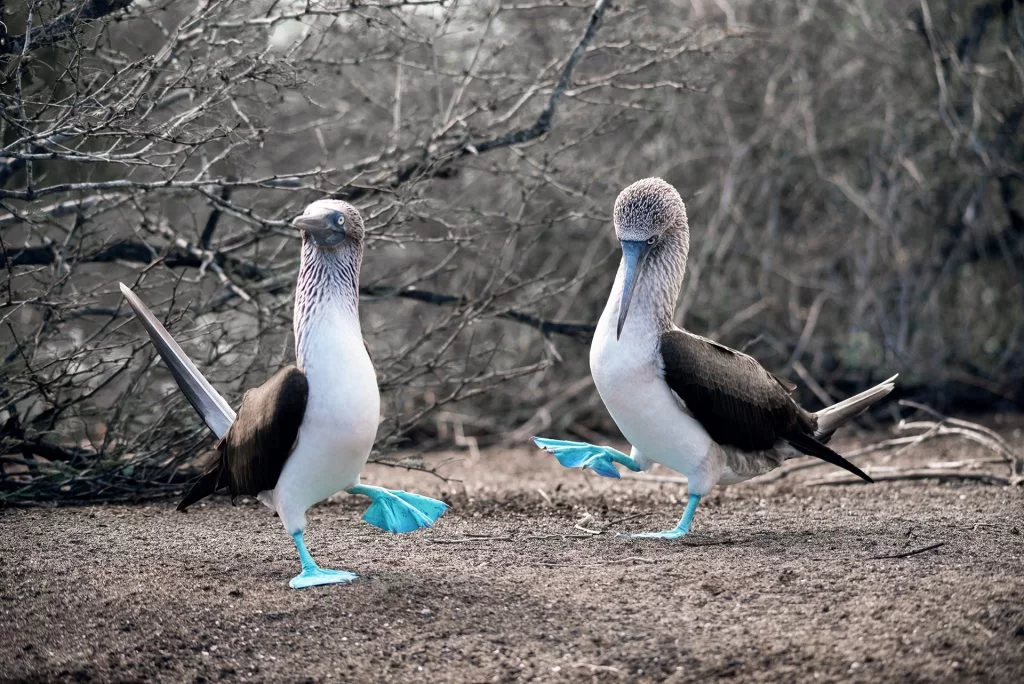
- Blue-Footed Booby: Easily recognized by their blue feet.Great Frigatebird: Notable for their large wingspan.
- Reptiles:
- Galapagos Green Turtles: Come ashore to lay eggs.
- Land and Marine Iguanas: Thrive both on land and in water.
- Mammals:
- Galapagos Sea Lions: Playful creatures often found lounging on beaches.
- Fur Seals: Smaller than sea lions but equally charming.
- Marine Life: Waters around the island are full of life, including various species of sharks, rays, and tropical fish.
Looking for an unforgettable adventure? North Seymour Island, part of the Galapagos, is a haven for wildlife lovers. Witness the famous mating dance of blue-footed boobies, spot magnificent frigatebirds with their red throat pouches, and see land iguanas roaming the rugged terrain. It’s a must-visit for up-close encounters with iconic Galapagos species.
Frecuently Asked Questions
North Seymour Island lies in the Galápagos Archipelago, near Ecuador.
Visitors can see blue-footed boobies, frigatebirds, and sea lions on North Seymour Island.
You can reach North Seymour Island by boat from nearby islands like Baltra or Santa Cruz.
Hiking and bird-watching are popular activities on North Seymour Island due to its unique wildlife and landscapes.