The sustainable tourism development in Latin America now depends on Ecuador together with Peru and Costa Rica and Brazil and Colombia because these countries build their travel approaches through environmental protection and local involvement and health-focused stays and environmentally friendly tourism instead of following traditional mass tourism patterns.
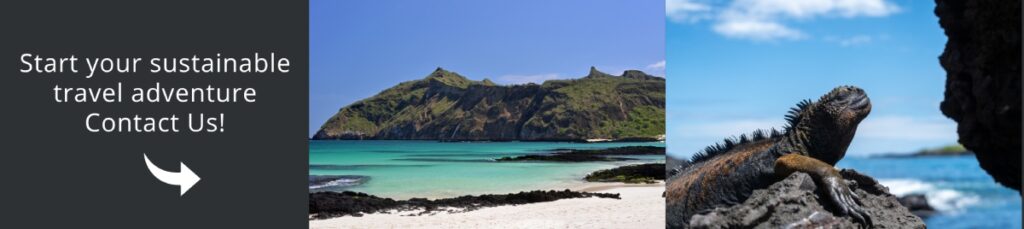
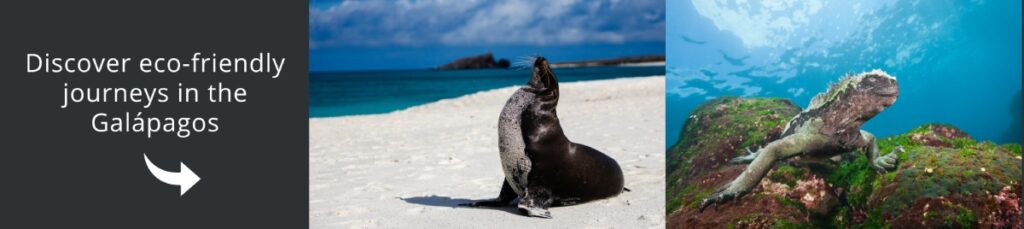
The Galapagos Islands serve as the most distinct example which demonstrates this transformation. The Ecuadorian archipelago now serves as an eco-retreat destination which allows visitors to stay for extended periods while supporting conservation work and spending their money directly in local communities.
The region now focuses its tourism policies and private operators on protecting biodiversity and building environmentally friendly infrastructure while working with Indigenous communities and local residents and establishing visitor control systems for protected areas. The new travel options answer the needs of people who want to experience nature while learning about the environment and accessing cultural sites at minimal ecological cost.
What is changing in the Galapagos
The Galapagos economic system for tourism moves beyond its current dependence on cruise ship activities because of the “Galapagos Beyond Cruises” program which Ecuador has established. The strategy supports sustainable tourism development through eco-friendly accommodations and local cultural activities and extended tourism stays which shift visitors away from mass maritime tourism to distribute economic benefits throughout all islands.
The process brings in different types of tourists to visit the location. The Galapagos islands now attract family groups who want to experience wildlife observation and conservation education and environmentally friendly activities together with their children and parents and grandparents.
The location attracts visitors who want to experience nature through controlled access and particular rules which protect the environment. The original text shows how people now use their travels to learn about nature and practice environmental protection instead of following traditional tourist routes.
- At a glance: Ecuador is promoting land-based Galapagos stays through the “Galapagos Beyond Cruises” initiative.
- The model depends on eco-retreats and sustainable hotels which offer visitors the chance to connect with local communities.
- The islands now experience major travel demand from families who want to visit with their relatives from different generations.
- The conservation work consists of tortoise monitoring activities and Scalesia forest restoration efforts and marine plastic tracking operations and biodiversity protection initiatives.
Eco-luxury moves beyond the cruise model
People now select luxury accommodations based on their sustainability practices and their waste management techniques and their water preservation methods and their environmentally friendly construction approaches.
The cruise industry faces obstacles which stop eco-luxury from reaching its full potential although it represents the greatest opportunity for growth.
The Galapagos Islands now offer luxury travel experiences which focus on conservation-based accommodations. The source material presents Montemar Galapagos Eco Luxury Villas as an example of family-friendly eco-tourism because it allows guests to observe giant tortoises while respecting the environment.
The Finch Bay Galapagos Hotel attracts visitors because it operates waste-to-energy systems and water conservation technology while protecting its beachfront areas. The market for glamping experiences has expanded to include Scalesia Lodge which combines highland ecosystem experiences with farm-to-table dining practices.
The market now shows a new definition of luxury because it no longer focuses on providing only amenities. The model allows travelers who want to spend more money to access sustainability information and habitat integration and educational programs which have become parts of their travel experience.
Conservation becomes part of the itinerary
The Galapagos experiences hands-on conservation tourism as its primary transformation which occurs in this area. People who visit the area now have more than just watching wildlife to do. The community members can join local experts to perform ecological restoration work and citizen science projects.
The source document describes four main projects which include monitoring giant tortoise movements and restoring Scalesia forests and tracking marine plastic and supporting biodiversity protection efforts. The activities provide a single operational framework which enables various age groups to participate in activities together.
The model separates the Galapagos from a more passive sightseeing trip. The system enables visitors to experience nature through protected conservation spaces which maintain environmental stability through controlled visitor access.
Other regional leaders
Costa Rica
Costa Rica functions as the leading ecotourism destination in its region because it protects its rainforests while operating sustainable energy sources and offering wellness retreats and eco-friendly accommodation options and biodynamic farming experiences and nature-based tourism activities.
The country unites its environmental defense work with its wellness tourism development strategy to create a complete system. The construction of retreats and lodges now centers on four main themes which include mindfulness practice and regenerative tourism and sustainable environmental practices and complete rainforest exposure.
Colombia
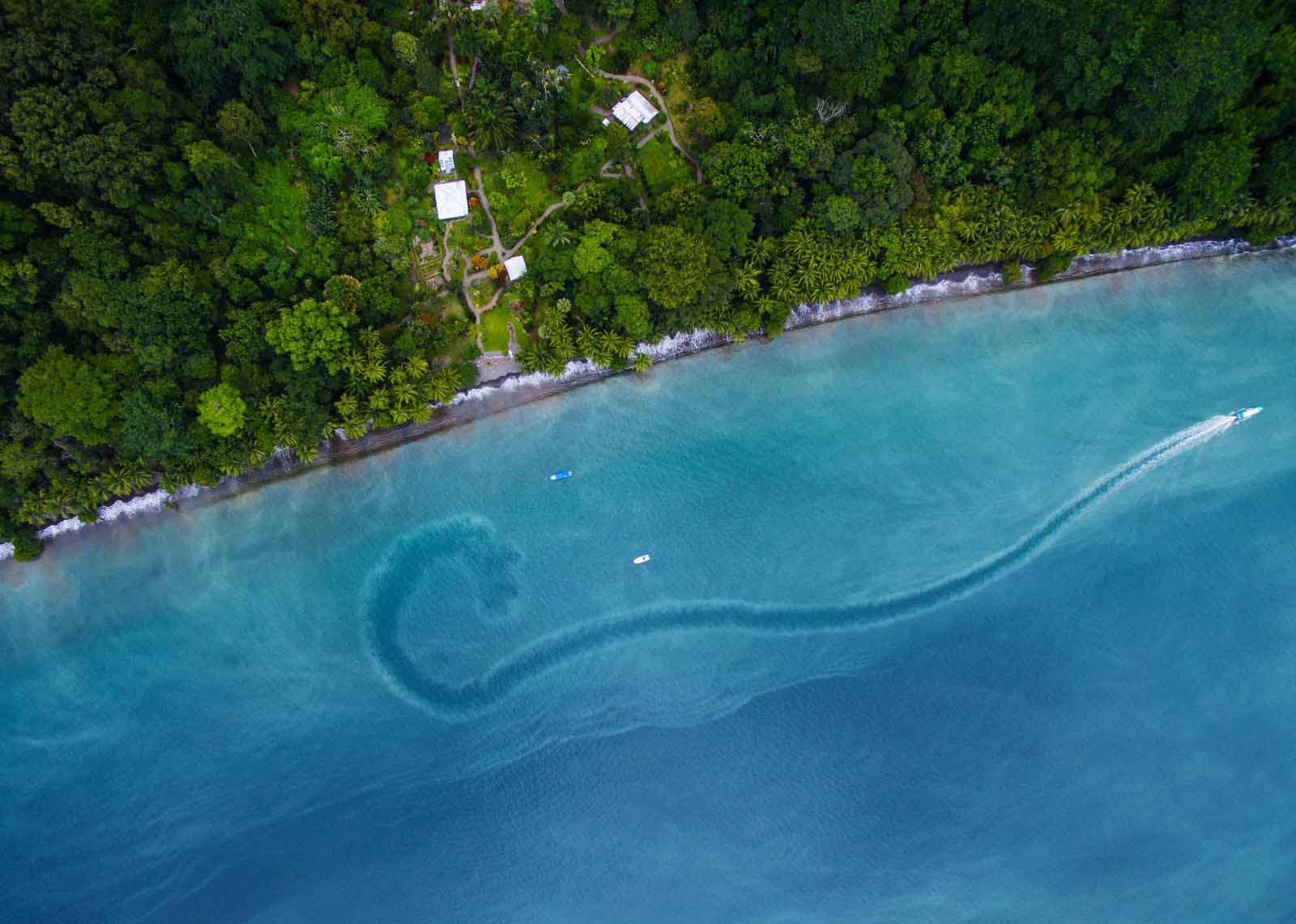
Colombia establishes regional corridors to link urban heritage sites with protected natural areas which supports the development of sustainable tourism in the country. The source material shows that tourism development in the country relies on three main elements which include community-based tourism and coastal jungle accommodations and rainforest conservation efforts.
The strategy uses tourism to generate economic benefits which support environmental protection while it creates better cultural experiences for visitors who want to see both wildlife and local traditions.
Peru
The sustainable tourism plan of Peru unites environmental protection with traditional knowledge systems and Indigenous people who actively take part in cultural activities. SERNANP, the country’s National Service of Natural Protected Areas, is identified as part of that approach.
The Sacred Valley functions as a leading wellness tourism destination because visitors can participate in retreats which combine Indigenous community engagement with sustainability education and biodiversity learning and cultural activities.
Brazil
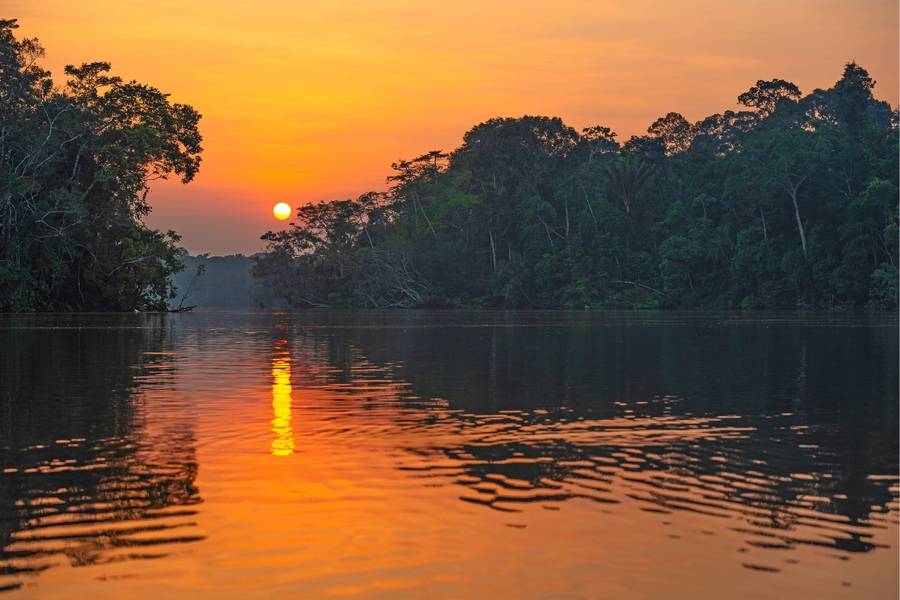
Brazil has established a regulated system for ecotourism in the Amazon Basin and Pantanal wetlands which includes community-run eco-lodges and visitor limits and controlled entry systems and working relationships with Indigenous populations.
The Amazon hosts eco-stations which allow travelers to spend their time in rainforests while they learn about the environment and meet local communities.
Why family and wellness travel matter
Multigenerational travel has become the main force which drives the current trend in the region. People search for vacation spots which provide single experiences that attract children and adults and senior visitors instead of creating separate activities for different age groups.
People now want to observe wildlife and work on conservation projects and take part in educational tours and experience nature through protected outdoor activities which conservation tourism provides. The Galapagos Islands benefit from this system because their wildlife remains undisturbed and the government controls visitor access and new sustainable lodging options keep appearing.
Wellness tourism connects with sustainability through its development process. The source document shows that travelers now prefer to spend their time traveling slowly while they experience nature and eat healthy food and practice mindfulness and stay in eco-friendly accommodations.
The tourism industry of Latin America now focuses on conservation activities and educational programs and wellness services and community support initiatives. The last evaluation will show if tourist destinations can maintain visitor numbers which match their natural environment’s capacity to handle visitors.