
The Galapagos Islands remain a year-round destination, with only modest shifts in temperature, rainfall, ocean conditions and wildlife activity across the calendar. Air temperatures vary relatively little during the year, rainfall is generally limited outside the highlands, and many of the archipelago’s best-known species can be observed in every season, including sea lions, penguins, marine iguanas, sea turtles and blue-footed boobies.
Seasonal differences are most noticeable in water temperatures, ocean currents, breeding cycles and the arrival of a handful of migratory species. The warm season generally runs from December through April, while the cooler garúa season extends from May into December. Wildlife activity changes month by month, creating different opportunities for snorkeling, birdwatching and whale watching.
What stays consistent throughout the year
The islands experience relatively stable conditions compared with many tropical destinations. Major storms are not a feature of the region, and most resident wildlife remains in the archipelago throughout the year.
Snorkeling is possible in every season, although visibility, water temperature and marine activity vary. Giant tortoises can be observed year-round, though their location shifts between the highlands and lower elevations depending on the season.
- Wildlife viewing remains strong in every month.
- Water temperatures are warmest between January and April.
- The cooler garúa season begins in May and continues into December.
- Whale sightings are most common from mid-year onward.
- Most iconic Galapagos species can be seen throughout the year.
Month-by-month highlights
January
Green sea turtles begin nesting, marine and land iguanas enter breeding activity, and Darwin’s finches start nesting. Water temperatures are warm and visibility begins improving. White-tip reef sharks are especially noticeable in shallow reefs during their breeding season.
February
Sea turtle nesting continues, marine iguanas remain active, and playful young sea lions provide strong snorkeling opportunities. Underwater visibility is among the best of the year, while vegetation becomes greener following seasonal rainfall.
March
Land and marine iguana breeding continues, frigatebirds begin courtship activity and giant tortoises start moving toward lower elevations. Warm ocean temperatures and excellent underwater visibility make this one of the strongest months for marine encounters.
April
Waved albatrosses arrive on Española, the first sea turtle hatchlings emerge and blue whales may begin appearing around Isabela Island. Ocean temperatures reach their annual peak, while the highlands are at their greenest.
May
The transition to the cooler season begins. Albatrosses start laying eggs, marine iguana hatchlings emerge on Fernandina and Humboldt Current influence becomes more noticeable. Conditions are often considered among the most comfortable of the year.
June
Most albatross eggs have been laid, humpback whale season begins and Galapagos petrels start nesting. Cooler waters and a stronger Humboldt Current increase marine productivity, benefiting snorkeling and wildlife viewing.
July
Albatross chicks begin hatching and whale sightings become increasingly common. Giant tortoises return to the highlands, while dolphin encounters occur more frequently, particularly in western waters.
August
Sea lion breeding season starts, humpback whales are often observed with calves and giant tortoises begin nesting. Nutrient-rich waters support active marine life, creating favorable snorkeling conditions.
September
Newborn sea lions are abundant on several islands, whale and dolphin viewing remains strong and migratory shorebirds begin arriving. Cooler water temperatures coincide with some of the year’s most active marine conditions.
October
Fur seals enter their breeding season, large numbers of giant tortoises occupy the highlands and birdwatching opportunities increase with visiting migratory species. Marine wildlife activity remains elevated under the continued influence of the Humboldt Current.
November
Green sea turtles begin mating, juvenile albatrosses prepare for departure and penguins are commonly seen in western waters. Ocean conditions begin transitioning toward the warmer season.
December
The warm season officially returns. Green sea turtles are in peak mating activity, marine iguanas display breeding behavior and young sea lions remain visible. Clear skies become more common as the Humboldt Current weakens and ocean temperatures begin to rise.
Across the year, the main differences between months are linked to breeding cycles, migratory arrivals and changing ocean conditions rather than dramatic weather shifts. Visitors can expect wildlife encounters in every season, with timing largely determining which species are nesting, mating, hatching or migrating during a particular trip.
Ecuador operates its sustainable tourism strategy through two main initiatives which combine improved air service between mainland areas and Galapagos Islands with protection of natural environments in the archipelago. The plan enables people to visit protected natural areas through sustainable methods which protect the most sensitive natural habitats in the world.
The Galapagos Islands rest about 1,000 kilometers away from Ecuador’s Pacific shoreline while scientists recognize them as a vital location which led to evolutionary science discovery. The archipelago receives protection through national laws which work together with international conservation programs that focus on preserving its unique species and their natural environments.
Tourism provides local communities with essential financial support but the entry points to the islands remain under strict control. The conservation focus of authorities remains the same because they control visitor activities and transportation systems and tourism operations to protect natural habitats and maintain biodiversity.
How air connectivity fits into conservation goals
Visitors primarily enter through mainland Ecuador when they take commercial flights into the country. The officials decided to improve existing transportation network performance instead of promoting unrestricted tourism expansion because they developed better scheduling systems and better route management and operational management systems.
The main goal exists to improve visitor movement through optimized travel systems which preserve total visitor monitoring capabilities. Authorities want to link their transportation administration work with environmental protection rules because they want to decrease traffic congestion while achieving their sustainability objectives for all islands.
- Air travel remains the main gateway to the Galapagos.
- Transportation improvements focus on efficiency rather than increasing visitor numbers.
- Tourism access continues to operate within established conservation regulations.
- Visitor management measures are designed to protect wildlife and sensitive habitats.
- Local economic benefits remain an important consideration alongside environmental protection.
Controlled tourism remains central to the model
The Galapagos tourism system depends on controlled visitation policies which function as its fundamental operating system. The archipelago’s natural ecosystems need protection because too many tourists will harm their environment.
The solution to this problem requires visitor management systems which use both permit systems and protected area rules and specified visitor areas and operational management systems. The established measures function to protect environmental stability while they work to preserve the visitor experience quality.
The growing need for eco-tourism enables this destination to maintain its position as an attractive travel location. The natural habitats of giant tortoises and marine iguanas and blue-footed boobies and sea lions and native bird species and various marine creatures attract visitors because these areas remain mostly untouched by human activities. The tourism activities which receive guidance and control work to reduce human interference while they help visitors understand environmental protection principles.
Transportation planning has started to work together with sustainability goals which aim to protect the environment. The management model develops through cooperation between aviation operators and tourism authorities and environmental agencies and local community members who work to achieve equal access and environmental protection and social advantages for their communities.
Tourism spending continues to support businesses, guides, transportation providers, hospitality services, and conservation-related initiatives across both mainland Ecuador and the islands. The government supports economic development through sustainable environmental practices because they have established protected areas which prevent any increase in tourist visits.
The Galapagos policy makes environmental protection its main priority when deciding on new policies. The management of the archipelago continues to follow its established guidelines which include habitat restoration and invasive species control and wildlife protection programs and environmental monitoring and visitor education. The worldwide need for eco-friendly tourism growth leads Ecuador to create Galapagos tourism evolution through controlled visitor numbers and nature protection initiatives.
Pikaia Lodge is promoting a summer 2026 Galapagos program for independent travelers, with preferred single-occupancy rates available for guests booking land-based stays without the usual solo supplement.
The offer is aimed at travelers seeking a shorter-notice wildlife trip in the Galapagos, combining guided land excursions, yacht explorations aboard M/Y Vision Pikaia, and time at the lodge as a land-based luxury retreat.
The program places emphasis on slower, more personal travel. Guests are encouraged to explore the Galapagos islands at their own pace, with days structured around guided nature activities, comfort at the lodge, and quieter periods for rest between excursions.

What the summer program includes
Pikaia Lodge describes its Galapagos stays as all-inclusive, land-based programs designed to immerse guests in the natural environment while avoiding a fully cruise-based itinerary.
Activities include guided land excursions and explorations aboard M/Y Vision Pikaia. The source material does not list specific routes, departure dates, nightly rates, or the length of stay for the summer 2026 availability.
- At a glance: Preferred single-occupancy rates are available for independent travelers.
- The offer applies to limited summer 2026 availability.
- The program is land-based, with stays centered at Pikaia Lodge.
- Excursions include guided land activities and yacht explorations aboard M/Y Vision Pikaia.
- The trip is positioned around wildlife encounters, comfort, and a slower Galapagos travel pace.
Short-notice Galapagos travel
The lodge is also highlighting limited last-minute summer availability for 2026. The offer is framed for travelers looking for close encounters with Galapagos wildlife while staying at a land-based luxury property.
The promotional material mentions giant tortoises and other iconic species but does not provide a detailed wildlife itinerary. It also does not specify which islands or visitor sites are included in the summer program.
Pikaia Lodge has also been nominated in the Resorts category of the 2026 Condé Nast Traveler Readers’ Choice Awards. The voting appeal is separate from the travel offer and does not change the details of the summer program.
Travelers considering the offer would need to confirm exact dates, rates, itinerary details, and availability directly before booking.

The sustainable tourism development in Latin America now depends on Ecuador together with Peru and Costa Rica and Brazil and Colombia because these countries build their travel approaches through environmental protection and local involvement and health-focused stays and environmentally friendly tourism instead of following traditional mass tourism patterns.
The Galapagos Islands serve as the most distinct example which demonstrates this transformation. The Ecuadorian archipelago now serves as an eco-retreat destination which allows visitors to stay for extended periods while supporting conservation work and spending their money directly in local communities.
The region now focuses its tourism policies and private operators on protecting biodiversity and building environmentally friendly infrastructure while working with Indigenous communities and local residents and establishing visitor control systems for protected areas. The new travel options answer the needs of people who want to experience nature while learning about the environment and accessing cultural sites at minimal ecological cost.
What is changing in the Galapagos
The Galapagos economic system for tourism moves beyond its current dependence on cruise ship activities because of the “Galapagos Beyond Cruises” program which Ecuador has established. The strategy supports sustainable tourism development through eco-friendly accommodations and local cultural activities and extended tourism stays which shift visitors away from mass maritime tourism to distribute economic benefits throughout all islands.
The process brings in different types of tourists to visit the location. The Galapagos islands now attract family groups who want to experience wildlife observation and conservation education and environmentally friendly activities together with their children and parents and grandparents.
The location attracts visitors who want to experience nature through controlled access and particular rules which protect the environment. The original text shows how people now use their travels to learn about nature and practice environmental protection instead of following traditional tourist routes.
- At a glance: Ecuador is promoting land-based Galapagos stays through the “Galapagos Beyond Cruises” initiative.
- The model depends on eco-retreats and sustainable hotels which offer visitors the chance to connect with local communities.
- The islands now experience major travel demand from families who want to visit with their relatives from different generations.
- The conservation work consists of tortoise monitoring activities and Scalesia forest restoration efforts and marine plastic tracking operations and biodiversity protection initiatives.
Eco-luxury moves beyond the cruise model
People now select luxury accommodations based on their sustainability practices and their waste management techniques and their water preservation methods and their environmentally friendly construction approaches.
The cruise industry faces obstacles which stop eco-luxury from reaching its full potential although it represents the greatest opportunity for growth.
The Galapagos Islands now offer luxury travel experiences which focus on conservation-based accommodations. The source material presents Montemar Galapagos Eco Luxury Villas as an example of family-friendly eco-tourism because it allows guests to observe giant tortoises while respecting the environment.
The Finch Bay Galapagos Hotel attracts visitors because it operates waste-to-energy systems and water conservation technology while protecting its beachfront areas. The market for glamping experiences has expanded to include Scalesia Lodge which combines highland ecosystem experiences with farm-to-table dining practices.
The market now shows a new definition of luxury because it no longer focuses on providing only amenities. The model allows travelers who want to spend more money to access sustainability information and habitat integration and educational programs which have become parts of their travel experience.
Conservation becomes part of the itinerary
The Galapagos experiences hands-on conservation tourism as its primary transformation which occurs in this area. People who visit the area now have more than just watching wildlife to do. The community members can join local experts to perform ecological restoration work and citizen science projects.
The source document describes four main projects which include monitoring giant tortoise movements and restoring Scalesia forests and tracking marine plastic and supporting biodiversity protection efforts. The activities provide a single operational framework which enables various age groups to participate in activities together.
The model separates the Galapagos from a more passive sightseeing trip. The system enables visitors to experience nature through protected conservation spaces which maintain environmental stability through controlled visitor access.
Other regional leaders
Costa Rica
Costa Rica functions as the leading ecotourism destination in its region because it protects its rainforests while operating sustainable energy sources and offering wellness retreats and eco-friendly accommodation options and biodynamic farming experiences and nature-based tourism activities.
The country unites its environmental defense work with its wellness tourism development strategy to create a complete system. The construction of retreats and lodges now centers on four main themes which include mindfulness practice and regenerative tourism and sustainable environmental practices and complete rainforest exposure.
Colombia
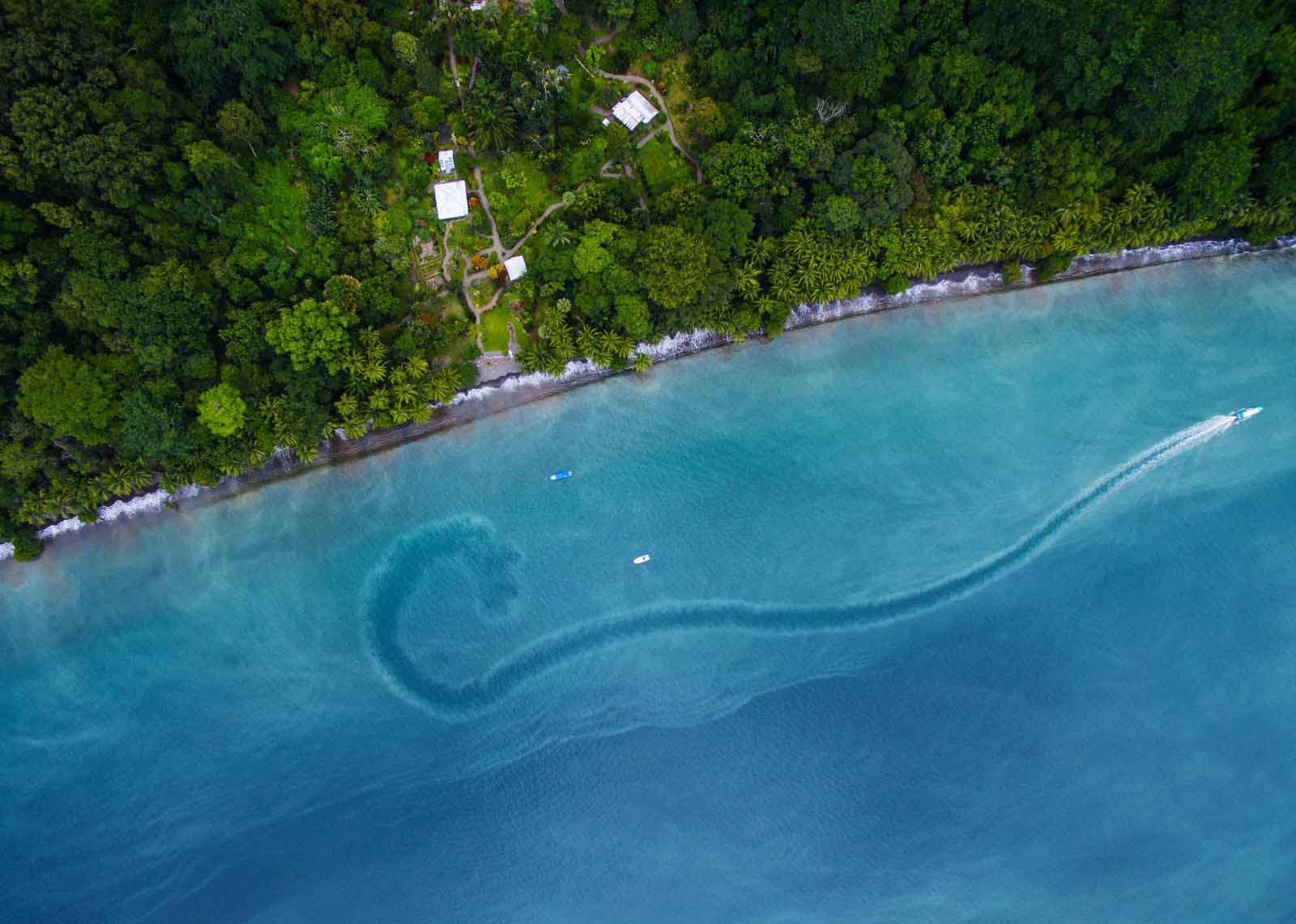
Colombia establishes regional corridors to link urban heritage sites with protected natural areas which supports the development of sustainable tourism in the country. The source material shows that tourism development in the country relies on three main elements which include community-based tourism and coastal jungle accommodations and rainforest conservation efforts.
The strategy uses tourism to generate economic benefits which support environmental protection while it creates better cultural experiences for visitors who want to see both wildlife and local traditions.
Peru
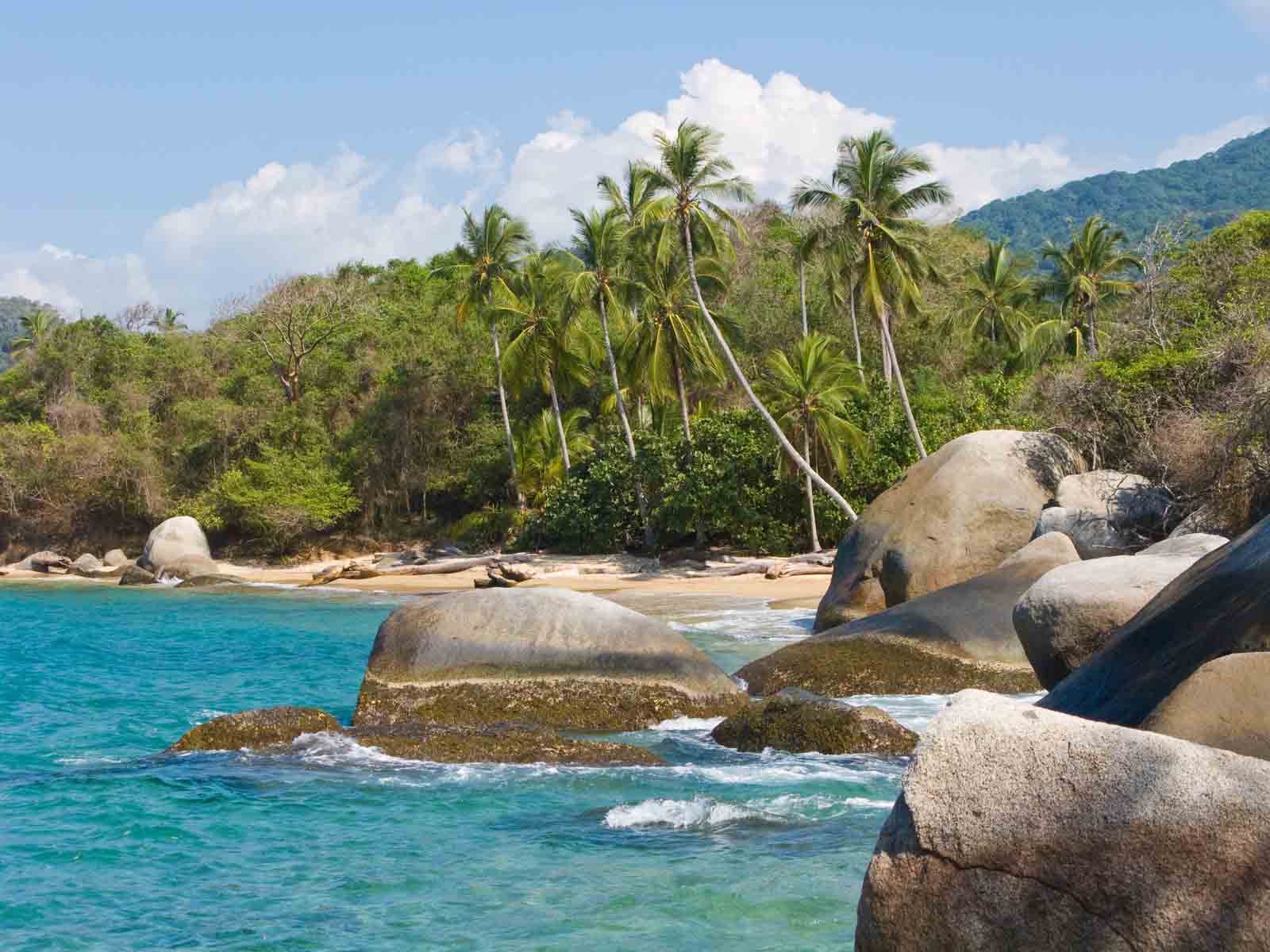
The sustainable tourism plan of Peru unites environmental protection with traditional knowledge systems and Indigenous people who actively take part in cultural activities. SERNANP, the country’s National Service of Natural Protected Areas, is identified as part of that approach.
The Sacred Valley functions as a leading wellness tourism destination because visitors can participate in retreats which combine Indigenous community engagement with sustainability education and biodiversity learning and cultural activities.
Brazil
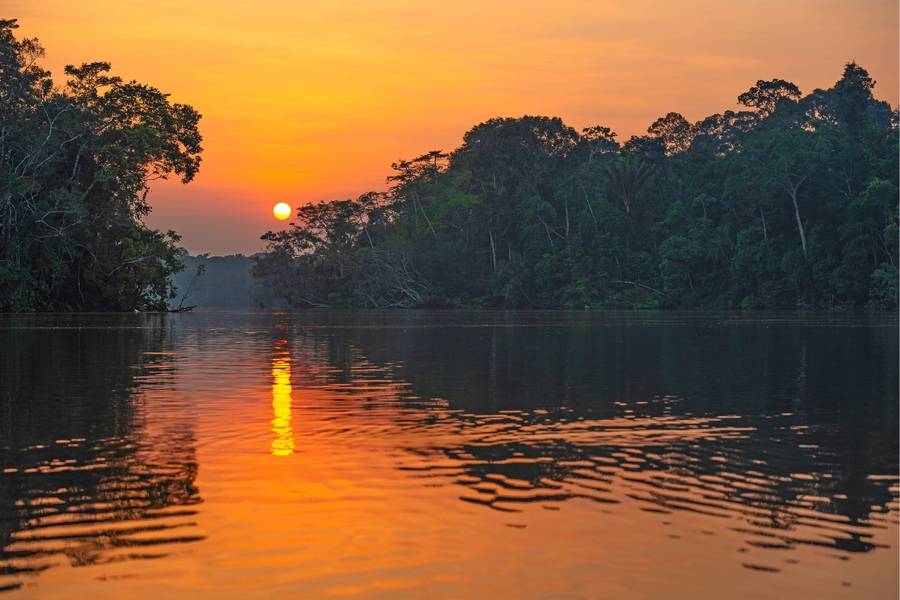
Brazil has established a regulated system for ecotourism in the Amazon Basin and Pantanal wetlands which includes community-run eco-lodges and visitor limits and controlled entry systems and working relationships with Indigenous populations.
The Amazon hosts eco-stations which allow travelers to spend their time in rainforests while they learn about the environment and meet local communities.
Why family and wellness travel matter
Multigenerational travel has become the main force which drives the current trend in the region. People search for vacation spots which provide single experiences that attract children and adults and senior visitors instead of creating separate activities for different age groups.
People now want to observe wildlife and work on conservation projects and take part in educational tours and experience nature through protected outdoor activities which conservation tourism provides. The Galapagos Islands benefit from this system because their wildlife remains undisturbed and the government controls visitor access and new sustainable lodging options keep appearing.
Wellness tourism connects with sustainability through its development process. The source document shows that travelers now prefer to spend their time traveling slowly while they experience nature and eat healthy food and practice mindfulness and stay in eco-friendly accommodations.
The tourism industry of Latin America now focuses on conservation activities and educational programs and wellness services and community support initiatives. The last evaluation will show if tourist destinations can maintain visitor numbers which match their natural environment’s capacity to handle visitors.
A small blue octopus found in deep water near the Galápagos Islands has been confirmed as a new species, after researchers used CT scans to examine the rare specimen without cutting it open.
The species has been named Microeledone galapagensis. It was first observed in 2015 during a deep-sea expedition, near Darwin Island at the northern edge of the Galápagos archipelago.
A remotely operated vehicle recorded the octopus close to an underwater mountain about 5,800 feet below the surface. The expedition team collected one specimen and filmed two other octopuses that appeared similar.
Researchers later described the collected animal as palm-sized, with reporting from the expedition noting that the blue octopus was roughly the size of a golf ball.
At a glance
- Species name: Microeledone galapagensis
- Location: near Darwin Island in the Galápagos Islands
- Depth: about 5,800 feet below the surface
- Study publication: Zootaxa
- Research method: CT scans used to examine internal anatomy
How researchers confirmed the species
Janet Voight, an author of the study, said the specimen appeared unusual from the beginning. “Right away, I knew it was something really special. I’d never seen anything like it,” she said.
The scientists had a problem common in work on rare deep-sea animals: only one collected specimen was available. Describing a new octopus species requires examination of structures such as the mouth, beak and teeth, but doing that physically would have meant cutting into the animal.
Instead, the team used CT imaging to inspect the specimen’s internal anatomy. The scans allowed researchers to view details of the mouth and other organs while keeping the original specimen intact.
Stephanie Smith, another author of the study, said the non-destructive approach was especially useful for type specimens, which serve as the reference examples for newly described species. Combining multiple scans also allowed the researchers to build a detailed 3D model of the octopus.
What the finding shows
The scans supported the conclusion that the Galápagos octopus was previously unknown to science. The study adds another species to the record of deep-sea life around the archipelago, where much of the surrounding ocean remains little explored.
Voight said the animals are rarely seen because they live in the deep sea. She also pointed to the scale of the Pacific Ocean as part of the reason discoveries like this remain possible, noting that the ocean is vast and still holds many unexplored habitats.