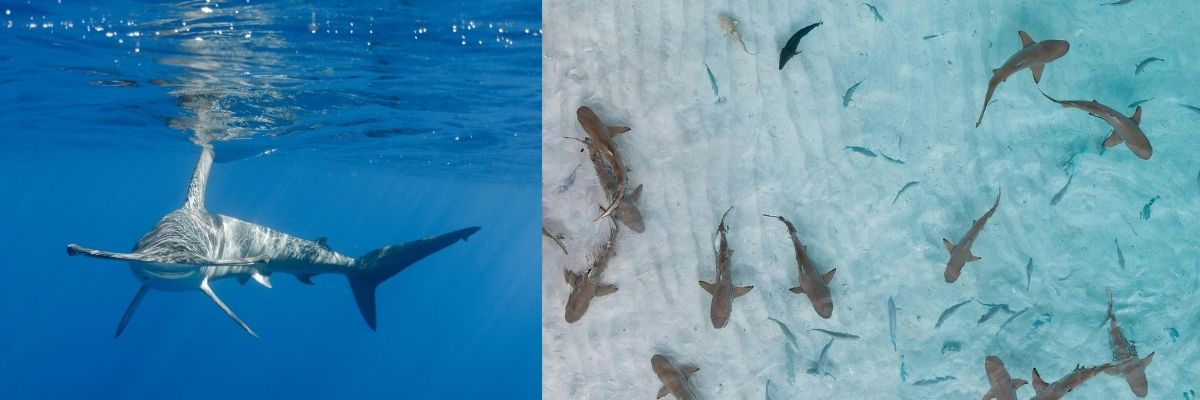
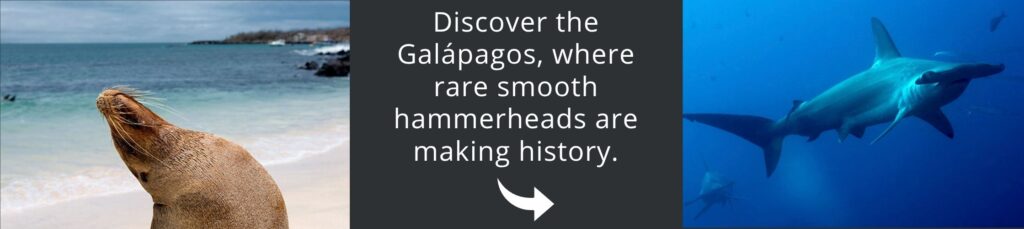
Scientists have documented smooth hammerhead sharks in the Galápagos Islands for the first time in more than 20 years, identifying a group of juveniles that may be using part of the archipelago as a nursery.
The finding involves the smooth hammerhead, Sphyrna zygaena, a species that can reach about 12 feet in length. The Galápagos is better known for large schools of scalloped hammerheads, while official records of smooth hammerheads in the islands had been absent for decades.
In 2024, marine biologist María Antonia Izurieta Burbano De Lara and collaborators from Universidad San encountered what researchers believe is the first documented group of juvenile smooth hammerheads in the archipelago. The identification was confirmed through physical characteristics and genetic analysis.
Why the identification was difficult
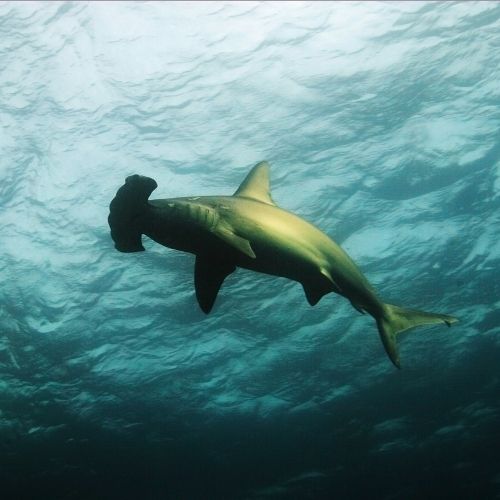
Smooth and scalloped hammerheads can appear similar, especially when viewed from the surface. Smooth hammerheads lack the central indentation on the front edge of the head that is visible in scalloped hammerheads, raising the possibility that the species was previously overlooked or misidentified in the region.
The presence of juveniles also suggests that the bay where they were found could serve as a nursery. Such areas provide young sharks with habitat during the earliest stages of life before they move into open waters.
- The sharks were documented in the Galápagos in 2024.
- Researchers confirmed the species using morphology and DNA analysis.
- Juveniles are being fitted with acoustic transmitters.
- Genetic samples are being compared with sharks from across the Eastern Tropical Pacific.
- Dietary studies are examining what the young sharks eat.
Tracking movements beyond protected waters
The research team is using acoustic telemetry, underwater video, genetic analysis and dietary studies to determine how long the juveniles remain in the bay, where else they travel within the islands and whether they are connected to other smooth hammerhead populations in the Eastern Tropical Pacific.
Acoustic transmitters allow scientists to follow the sharks’ movements within the Galápagos Marine Reserve. DNA comparisons may also show whether the islands function as a link between populations to the north and south. Researchers are analyzing fecal samples to study diet, while efforts to examine subadult and adult sharks continue.
Movement data could help identify critical habitats and migratory corridors. Smooth hammerheads, like other hammerhead species, face pressure from overfishing. Although they are protected inside marine reserves, individuals that enter international waters may become more exposed to fishing fleets.
The next phase of the project will focus on confirming how the juveniles use the area, locating additional sharks around the archipelago and determining whether the Galápagos population is connected to others across the region.