Scientists have cautioned that a powerful El Niño this winter may place additional stress on marine ecosystems in the Galapagos, where wildlife is already under pressure from invasive species, pollution, and overfishing.
The latest update from the Galapagos Conservation Trust explores life beneath the ocean surface, covering topics such as whale shark movements and how marine iguanas adapt to changing environmental conditions. It also provides information about upcoming events, educational materials, and opportunities for the public to contribute to marine conservation efforts in the islands.
Changes caused by El Niño can alter the ocean conditions that many Galápagos species rely on for survival. Marine iguanas, which depend on the sea for food while living along the coastline, are expected to be particularly affected during strong events. However, the newsletter explains that this unique species has developed adaptations that improve its ability to survive environmental changes.
Whale shark webinar to explore underwater research
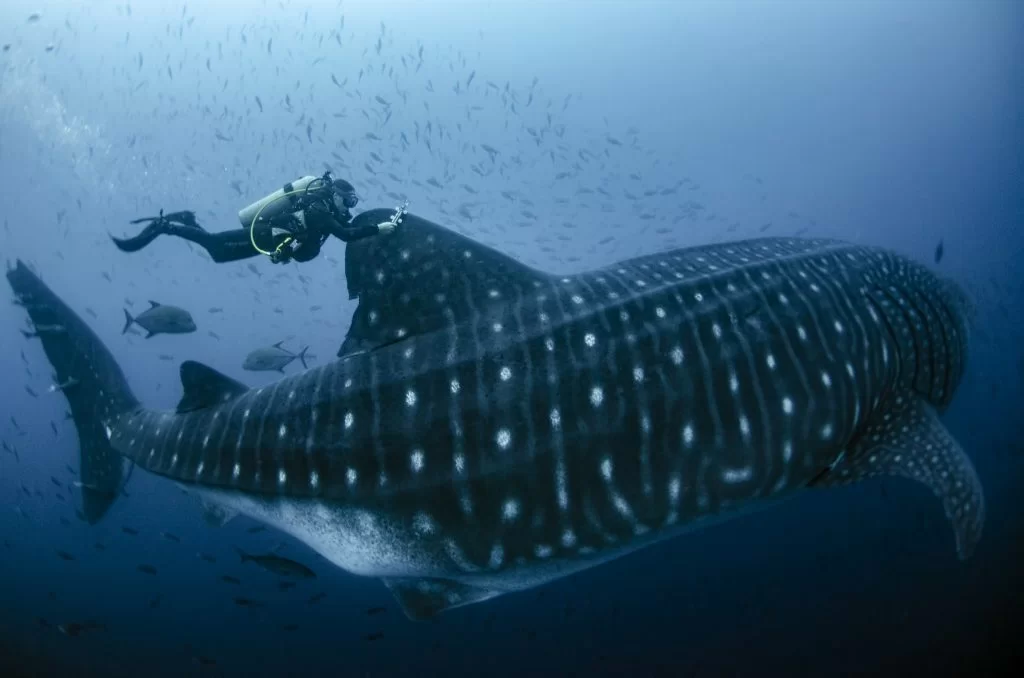
An upcoming webinar will examine why whale sharks travel to the Galápagos Islands and what occurs during their deep dives. The session will feature shark researcher Sofía Green, who has worked with the Galapagos Conservation Trust for many years.
Green’s research focuses on tagging and monitoring whale sharks, the largest fish on Earth. This work is part of broader conservation initiatives designed to better understand the species and safeguard its marine habitat around the archipelago.
Marine iguanas and resilience to El Niño
The newsletter also emphasizes the importance of marine iguanas, one of the species most closely linked to the Galápagos coastline. Although severe El Niño events can threaten their survival, researchers note that these reptiles possess characteristics that help them adjust to changing environmental conditions.
The project aims to improve scientific understanding of how El Niño influences marine iguanas and to support the creation of effective conservation strategies.
In addition, the organization has published its 2025 Impact Report, summarizing recent conservation achievements. Highlights include the return of native species to their natural habitats, an expedition tracking hammerhead shark migration routes, and community initiatives to reduce plastic pollution along ancient giant tortoise migration paths.
The Galapagos Conservation Trust also offers free educational resources about the islands’ underwater ecosystems and the ocean currents that sustain biodiversity within the Galápagos Marine Reserve and surrounding waters.