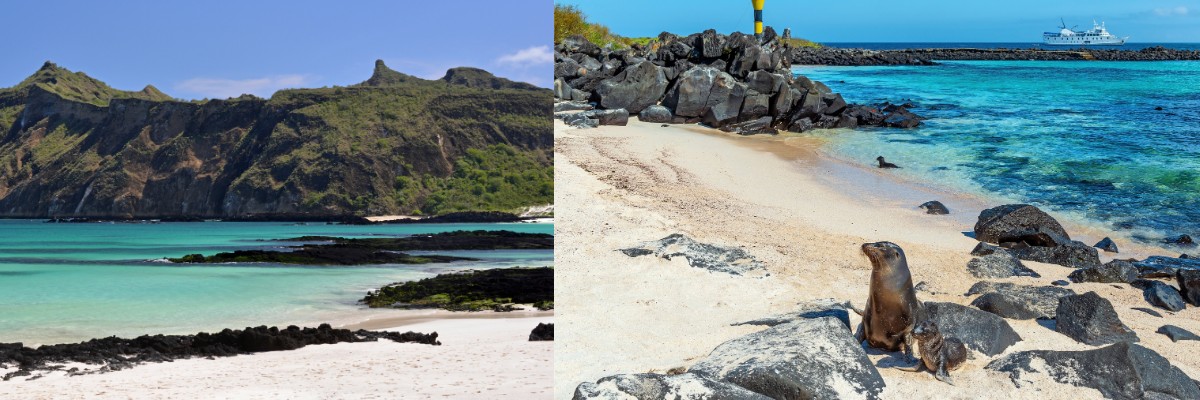

Ecuador operates its sustainable tourism strategy through two main initiatives which combine improved air service between mainland areas and Galapagos Islands with protection of natural environments in the archipelago. The plan enables people to visit protected natural areas through sustainable methods which protect the most sensitive natural habitats in the world.
The Galapagos Islands rest about 1,000 kilometers away from Ecuador’s Pacific shoreline while scientists recognize them as a vital location which led to evolutionary science discovery. The archipelago receives protection through national laws which work together with international conservation programs that focus on preserving its unique species and their natural environments.
Tourism provides local communities with essential financial support but the entry points to the islands remain under strict control. The conservation focus of authorities remains the same because they control visitor activities and transportation systems and tourism operations to protect natural habitats and maintain biodiversity.
How air connectivity fits into conservation goals
Visitors primarily enter through mainland Ecuador when they take commercial flights into the country. The officials decided to improve existing transportation network performance instead of promoting unrestricted tourism expansion because they developed better scheduling systems and better route management and operational management systems.
The main goal exists to improve visitor movement through optimized travel systems which preserve total visitor monitoring capabilities. Authorities want to link their transportation administration work with environmental protection rules because they want to decrease traffic congestion while achieving their sustainability objectives for all islands.
- Air travel remains the main gateway to the Galapagos.
- Transportation improvements focus on efficiency rather than increasing visitor numbers.
- Tourism access continues to operate within established conservation regulations.
- Visitor management measures are designed to protect wildlife and sensitive habitats.
- Local economic benefits remain an important consideration alongside environmental protection.
Controlled tourism remains central to the model
The Galapagos tourism system depends on controlled visitation policies which function as its fundamental operating system. The archipelago’s natural ecosystems need protection because too many tourists will harm their environment.
The solution to this problem requires visitor management systems which use both permit systems and protected area rules and specified visitor areas and operational management systems. The established measures function to protect environmental stability while they work to preserve the visitor experience quality.
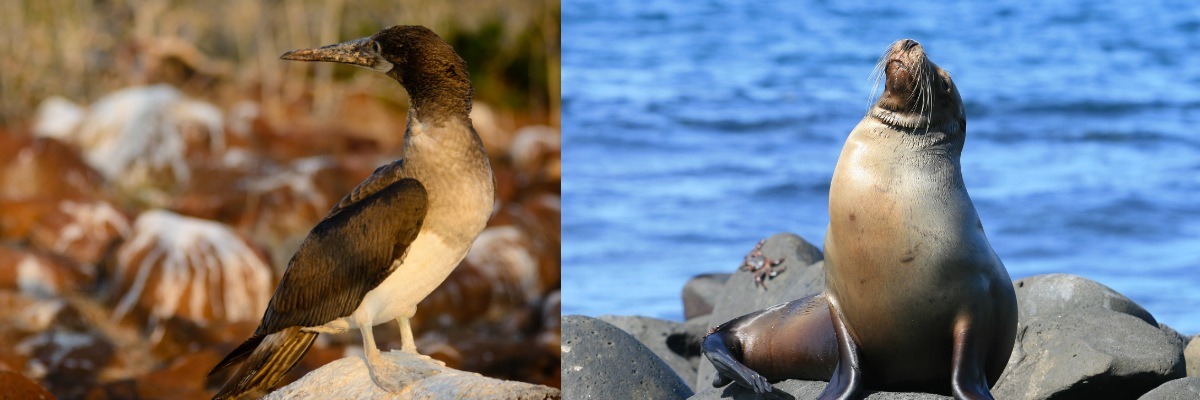
The growing need for eco-tourism enables this destination to maintain its position as an attractive travel location. The natural habitats of giant tortoises and marine iguanas and blue-footed boobies and sea lions and native bird species and various marine creatures attract visitors because these areas remain mostly untouched by human activities. The tourism activities which receive guidance and control work to reduce human interference while they help visitors understand environmental protection principles.
Transportation planning has started to work together with sustainability goals which aim to protect the environment. The management model develops through cooperation between aviation operators and tourism authorities and environmental agencies and local community members who work to achieve equal access and environmental protection and social advantages for their communities.
Tourism spending continues to support businesses, guides, transportation providers, hospitality services, and conservation-related initiatives across both mainland Ecuador and the islands. The government supports economic development through sustainable environmental practices because they have established protected areas which prevent any increase in tourist visits.
The Galapagos policy makes environmental protection its main priority when deciding on new policies. The management of the archipelago continues to follow its established guidelines which include habitat restoration and invasive species control and wildlife protection programs and environmental monitoring and visitor education. The worldwide need for eco-friendly tourism growth leads Ecuador to create Galapagos tourism evolution through controlled visitor numbers and nature protection initiatives.