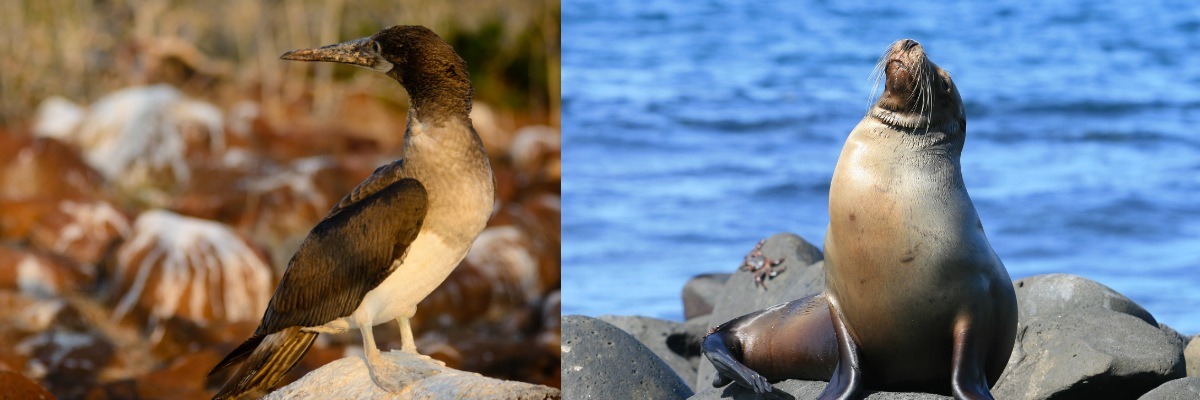
The Galapagos Islands remain a year-round destination, with only modest shifts in temperature, rainfall, ocean conditions and wildlife activity across the calendar. Air temperatures vary relatively little during the year, rainfall is generally limited outside the highlands, and many of the archipelago’s best-known species can be observed in every season, including sea lions, penguins, marine iguanas, sea turtles and blue-footed boobies.
Seasonal differences are most noticeable in water temperatures, ocean currents, breeding cycles and the arrival of a handful of migratory species. The warm season generally runs from December through April, while the cooler garúa season extends from May into December. Wildlife activity changes month by month, creating different opportunities for snorkeling, birdwatching and whale watching.
What stays consistent throughout the year
The islands experience relatively stable conditions compared with many tropical destinations. Major storms are not a feature of the region, and most resident wildlife remains in the archipelago throughout the year.
Snorkeling is possible in every season, although visibility, water temperature and marine activity vary. Giant tortoises can be observed year-round, though their location shifts between the highlands and lower elevations depending on the season.
- Wildlife viewing remains strong in every month.
- Water temperatures are warmest between January and April.
- The cooler garúa season begins in May and continues into December.
- Whale sightings are most common from mid-year onward.
- Most iconic Galapagos species can be seen throughout the year.
Month-by-month highlights
January
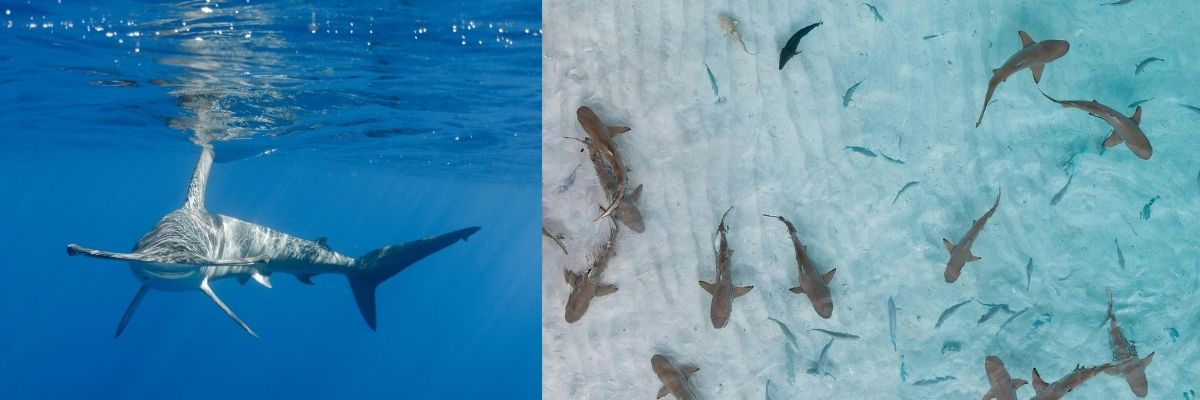
Green sea turtles begin nesting, marine and land iguanas enter breeding activity, and Darwin’s finches start nesting. Water temperatures are warm and visibility begins improving. White-tip reef sharks are especially noticeable in shallow reefs during their breeding season.
February
Sea turtle nesting continues, marine iguanas remain active, and playful young sea lions provide strong snorkeling opportunities. Underwater visibility is among the best of the year, while vegetation becomes greener following seasonal rainfall.
March
Land and marine iguana breeding continues, frigatebirds begin courtship activity and giant tortoises start moving toward lower elevations. Warm ocean temperatures and excellent underwater visibility make this one of the strongest months for marine encounters.
April
Waved albatrosses arrive on Española, the first sea turtle hatchlings emerge and blue whales may begin appearing around Isabela Island. Ocean temperatures reach their annual peak, while the highlands are at their greenest.
May
The transition to the cooler season begins. Albatrosses start laying eggs, marine iguana hatchlings emerge on Fernandina and Humboldt Current influence becomes more noticeable. Conditions are often considered among the most comfortable of the year.
June
Most albatross eggs have been laid, humpback whale season begins and Galapagos petrels start nesting. Cooler waters and a stronger Humboldt Current increase marine productivity, benefiting snorkeling and wildlife viewing.
July
Albatross chicks begin hatching and whale sightings become increasingly common. Giant tortoises return to the highlands, while dolphin encounters occur more frequently, particularly in western waters.
August
Sea lion breeding season starts, humpback whales are often observed with calves and giant tortoises begin nesting. Nutrient-rich waters support active marine life, creating favorable snorkeling conditions.
September
Newborn sea lions are abundant on several islands, whale and dolphin viewing remains strong and migratory shorebirds begin arriving. Cooler water temperatures coincide with some of the year’s most active marine conditions.
October
Fur seals enter their breeding season, large numbers of giant tortoises occupy the highlands and birdwatching opportunities increase with visiting migratory species. Marine wildlife activity remains elevated under the continued influence of the Humboldt Current.
November
Green sea turtles begin mating, juvenile albatrosses prepare for departure and penguins are commonly seen in western waters. Ocean conditions begin transitioning toward the warmer season.
December
The warm season officially returns. Green sea turtles are in peak mating activity, marine iguanas display breeding behavior and young sea lions remain visible. Clear skies become more common as the Humboldt Current weakens and ocean temperatures begin to rise.
Across the year, the main differences between months are linked to breeding cycles, migratory arrivals and changing ocean conditions rather than dramatic weather shifts. Visitors can expect wildlife encounters in every season, with timing largely determining which species are nesting, mating, hatching or migrating during a particular trip.