
Tourism in the Galapagos Islands has long been a double-edged sword.The economic benefits from tourism help fund wildlife protection programs and generate income for nearby residents but these activities create stress on delicate natural systems and weak public facilities. The government introduced entry fees and rental limits as solutions but these measures proved insufficient to solve the problem.
A Deeper Transformation: Regenerative Tourism
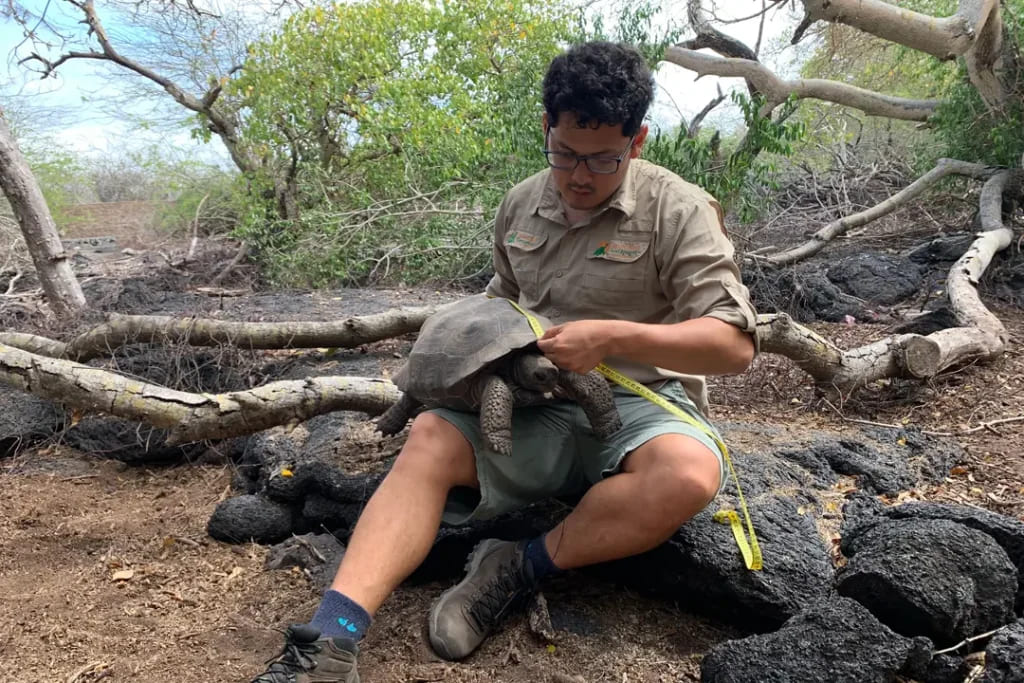
The tourism industry needs an essential transformation because its operations need to support both environmental restoration and the protection of indigenous communities. This is the essence of regenerative tourism.The main difference between traditional sustainable tourism and regenerative tourism lies in their objectives because traditional sustainable tourism works to minimize damage while regenerative tourism produces beneficial effects for both nature and local communities.
The tourism system of regenerative tourism functions as a unified network which connects environmental systems with social structures. The program works to boost community health through simultaneous efforts to defend cultural heritage and revive natural habitats. The Doughnut Economics model shows humanity can fulfill social requirements while keeping within environmental boundaries. The concept extends to tourism through the need to protect cultural heritage and restore natural environments while working within the islands’ maximum capacity limits.
Lessons From Other Islands
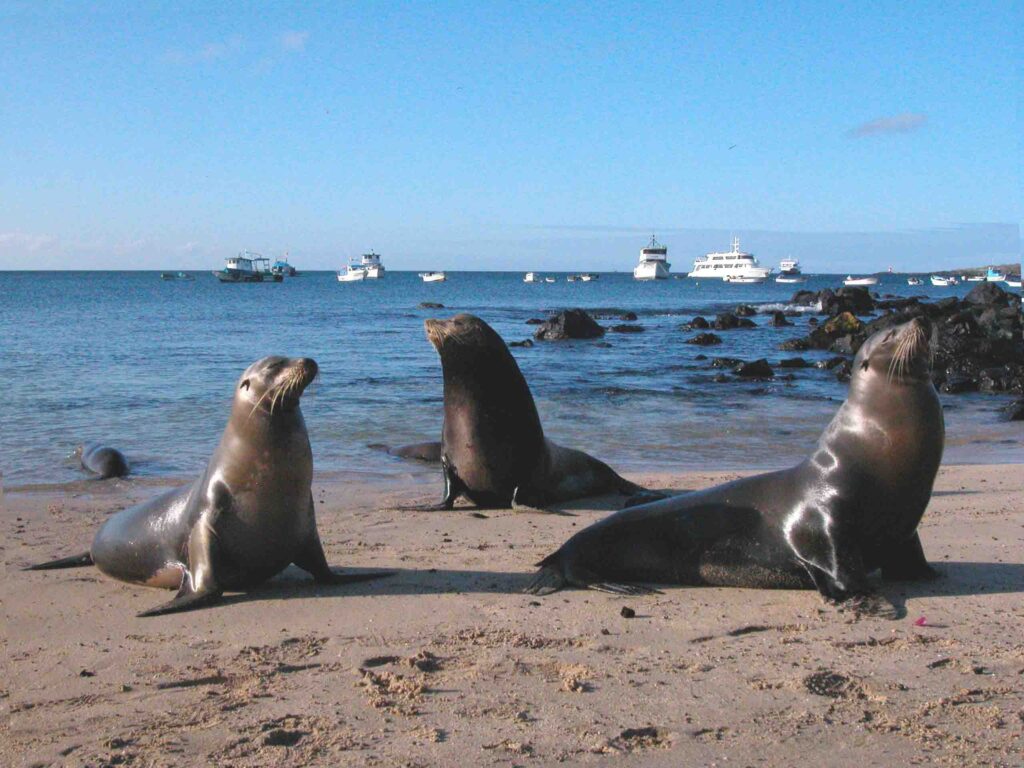
The world uses island destinations as experimental sites to develop regenerative tourism methods.
- Timor-Leste: ATKOMA functions as a community-based destination management organization which uses guesthouse visitor fees to support both reef protection and local community development programs. The local community leads tourism development activities which safeguard natural resources.
- The Maldives: Tourism is evolving beyond the traditional “one island, one resort” model. Community-run guesthouses now form a growing portion of the market, and HATA (Horsburgh Atoll Tourism Alliance) channels a percentage of bookings directly to conservation and community-led initiatives.
The examples demonstrate that islands with limited resources can create innovative methods to unite economic expansion with environmental conservation.
Galapagos at a Critical Juncture
Tourism on land in the Galapagos has experienced a growth of 260% since the year 2000. Conservationists warn that without change, the islands risk the same pressures experienced by other heavily visited destinations.
The Regenerative Tourism Group (GTR) established itself as a solution to address this problem. The GTR unites local stakeholders with authorities and conservation groups to develop a new tourism system which goes beyond visitor management.
- The workshops which started in 2023 brought together more than 60 people who began multiple new projects.
- The community needs to develop a visitor code of conduct which will represent their core values.
- The community needs to launch pilot projects which will serve as testing grounds for local regeneration-based tourism initiatives.
- The platform needs to combine community feedback to create an educational resource which will teach island protection and build deeper connections between visitors and their destinations.
Looking Ahead
The solution needs to move past tourist classification systems and it should not depend on increasing costs or implementing more limitations. The development of tourism needs to receive guidance from local communities because it will create benefits for both human populations and natural environments.
Galapagos stands as a worldwide leader in regenerative tourism through its demonstration of how community members and tourists along with conservationists can work together to restore ecosystems while protecting local culture and sustaining economic activities. The vision exists as an ongoing learning process which requires collaboration and adaptation because current decisions will shape the regenerative path of the islands.
We interviewed Farah Hamdan from the Galapagos Mobula Project to learn about her research activities and how citizen scientists contribute to protecting Mobula rays in Galapagos.
What is the aim of the project?
The research program works to study and safeguard Mobula rays in the Galapagos Islands through partnerships with local communities which include tour operators, guides and non-scientist researchers known as citizen scientists. These rays are iconic but little-studied species, and they cannot be safeguarded without the knowledge and observations shared by those who spend time at sea every day.
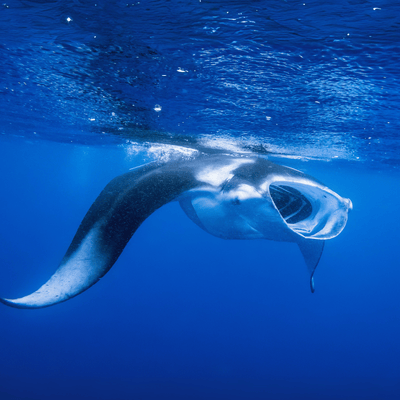
The project collects citizen science data to create distribution maps which help identify threats and produce evidence-based conservation strategies.
The research operates under a One Health framework which shows how ocean health together with wildlife populations create benefits for coastal human populations. The initiative works to protect rays while developing scientific knowledge which supports both wildlife conservation and human communities who depend on these habitats for their way of life and economic growth.
What are some of the challenges facing Mobula rays in Galapagos?
Mobula rays face various environmental threats together with human-induced dangers. The species faces threats from climate change because it disrupts ocean productivity which affects the distribution of plankton that serves as their primary food supply. The animals lose their natural behaviors because of uncontrolled tourist activities according to the researchers.
The worldwide population of Mobula species faces danger from accidental capture in fishing gear and intentional fishing activities. The Galapagos maintains strict control over its fishing activities yet the rays continue to travel through regions where protection measures remain insufficient.
Scientists face major obstacles because they lack sufficient information about these species since researchers have not gathered enough data about their migration paths and population numbers and their essential living areas. Scientists need to conduct research with ocean users who spend the most time at sea because community-led observations serve as essential tools for solving these problems.
People should join citizen science projects because these programs enable them to contribute to scientific research while learning new information.
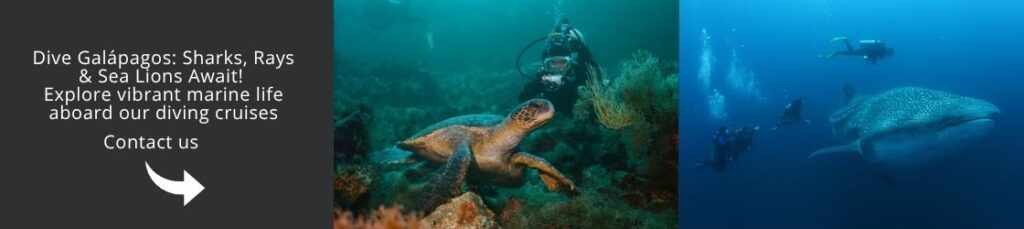
Citizen science programs enable everyone from tour guides to visitors and fishermen to participate in marine research and conservation efforts. People who share photos or sightings of Mobula rays help scientists gather data that would be impossible to obtain without such large-scale public participation.
The collected data helps scientists determine the distribution patterns of different species and their habitat choices and behavioral patterns throughout time.
Citizen science allows local communities to develop joint ownership of conservation efforts because it produces research that matches their specific circumstances and their required information. The initiative creates a direct link between humans and nature through its One Health framework. Science participation leads to community-based efforts for ocean protection which will defend Galapagos waters throughout the years.
What impact are citizen scientists having on the conservation of Mobula rays?
The project depends on the active participation of citizen scientists who operate within the Galapagos region. Every photo, sighting, or record they submit builds a bigger picture of Mobula ray ecology and distribution.The data reveals areas of high activity together with seasonal trends and zones where human activities such as boat movement may pose threats to rays.
Citizen scientists generate conservation responsibility by joining community initiatives which combine traditional scientific knowledge with local understanding that stands equal to formal scientific methods. Their involvement ensures that management decisions are both scientifically sound and rooted in community perspectives.
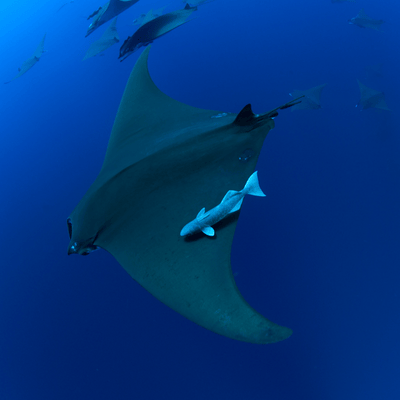
Why do different species of Mobula rays need tailored management strategies?
Mobula rays share a similar appearance yet each species maintains distinct ecological functions and movement behaviors and patterns. The Munk’s devil ray (Mobula munkiana) lives in coastal areas while the Chilean devil ray (Mobula tarapacana) travels through deep pelagic waters.
A single conservation approach will not succeed because these differences exist. Different species require different feeding and breeding habitats and they encounter various threats which include fishing activities and tourism. The study of individual species allows experts to create targeted strategies which protect both wildlife and human activities in a sustainable way.
Citizen science functions as an essential tool because community observations allow scientists to identify species and observe their distribution patterns. The training materials enable citizen scientists to correctly identify species which results in improved data accuracy.
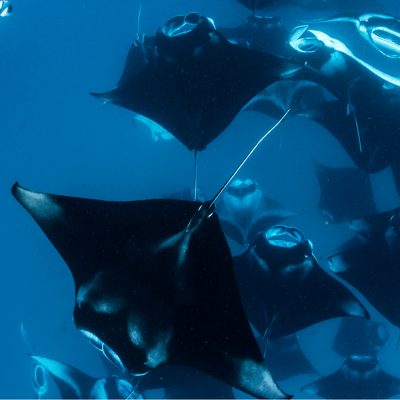
What inspired you to focus your research on Mobula rays?
Farah Hamdan said she found her motivation through her Lebanese upbringing because she got to see Mobula rays while swimming in her native waters. The experiences created enduring memories yet she observed a wide gap between scientific studies and the everyday challenges of coastal communities.
People relied on the ocean for their survival but their understanding and requirements did not receive enough attention when creating marine protection plans. The experience motivated her to study communication between scientists and the public.
The research about Mobula rays attracted me since these animals present an intriguing mystery which scientists have not yet solved and their conservation efforts demonstrate how science must unite with community involvement. The Galapagos Islands serve as a living example of this concept because human communities exist in close contact with the ocean wildlife.
Fernandina Island is unlike any of the Galapagos Islands. It is the only island on the planet where no invasive species exist, and where no invasive species have ever lived, as if it created a time museum.
The Volcanoes Guard Their Island
La Cumbre volcano is the center of life on Fernandina, still erupts, produces new landforms, and gases that act as a physical barrier to natural invasion. Basically, every time La Cumbre erupts, any invasive species are erased, while the lava and other forms of life isolate the island from outside ecological threats. It protects a valuable native land-based ecosystem, free from outside influence.
The Giants of the Lava Coast
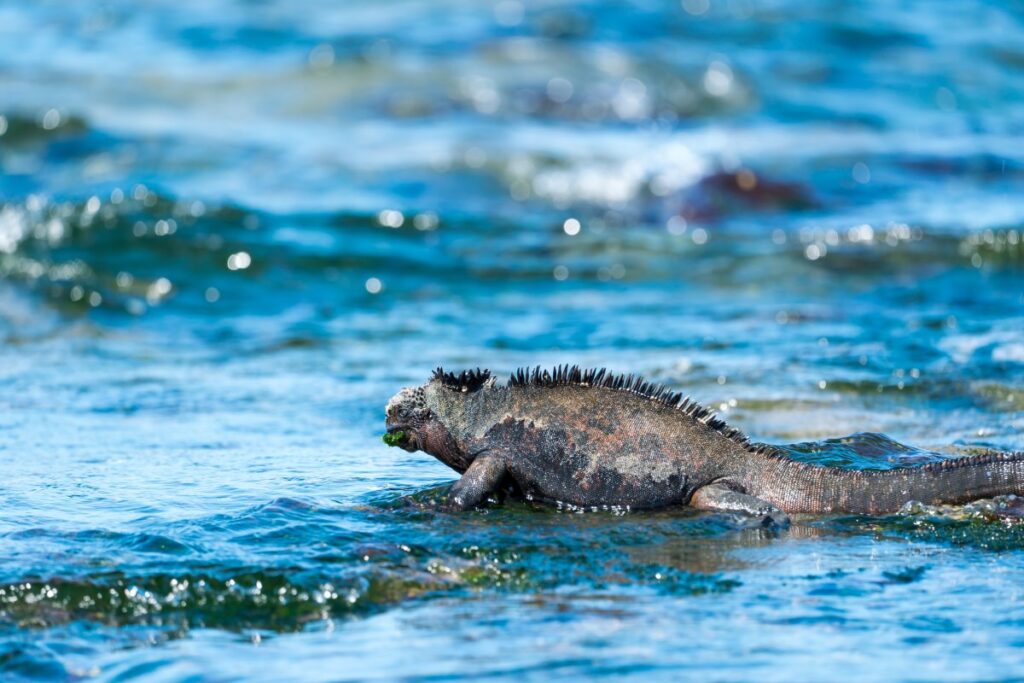
Fernandina has the largest and darkest marine iguanas of the Galapagos. The iguanas are not competing with invading animals for food and no invasive animal rivals their habitation. Marine iguanas live together in massive colonies with respect to iguana props common in a place (sea rock) as they continue to exist in life on a volcanically active island.
The Calm of Flightless Cormorants
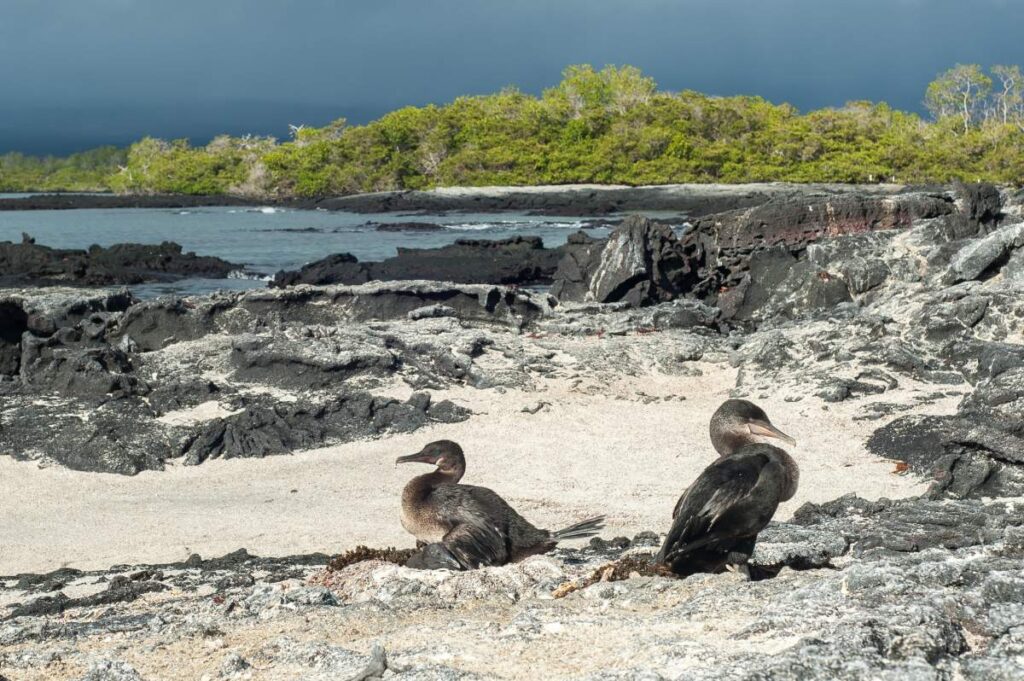
Fernandina has the largest colonies of flightless cormorants, which are the least disturbed. They exist free from human disruptive interaction or contamination by predatory invasive species. Watching them is the closest you can get to witnessing consideration of ‘natural’ behavior free of human presence.
Maintaining Purity
To maintain purity, only Punta Espinoza, the site of a visitor landing, has visitor access. In addition Biosecurity checks are performed to ensure that no new species can penetrate Fernandina. Plus, visit access is limited to cruise access to boat only in visiting distinctive island procedural manners, limiting potential human impact at every step along the way on this island with invasive ‘mythical’ or ‘unknown’ animals.
A Natural Evolutionary Wonder
To scientist, Fernandina is not an island but essentially a natural laboratory allowing observation of evident evolutionary progression regardless of evolved destiny interdependence. To the visitor, it is the wild heart of the Galapagos Islands, ruled by nature, possibly the last best world wild place.
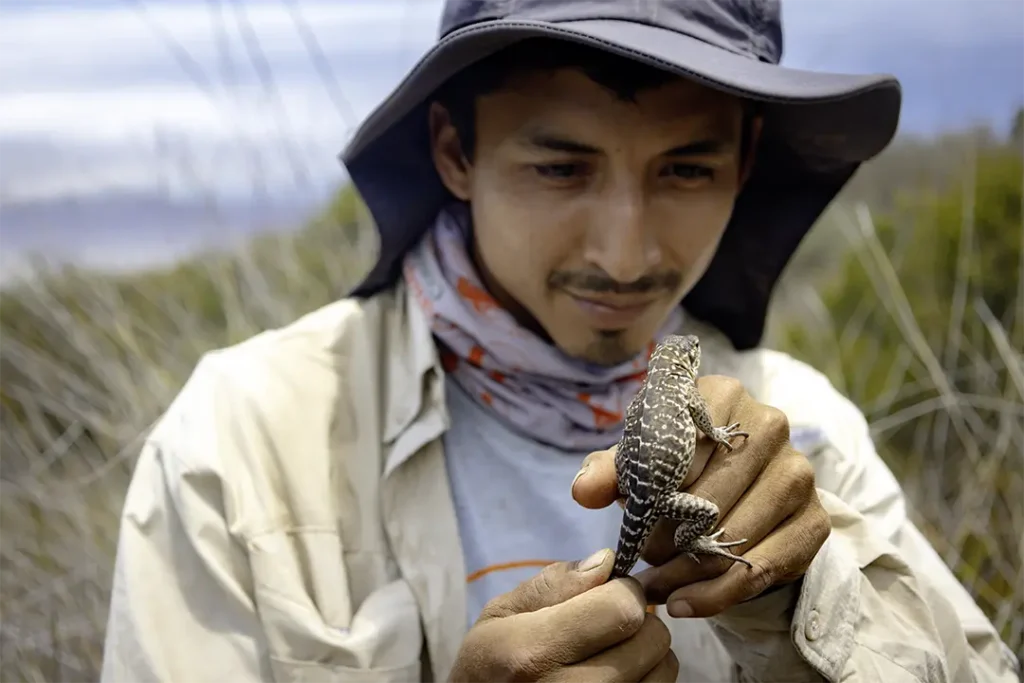
The goal of doing science in Galapagos seems far-fetched for someone who is born in a remote area, without access to mentors or universities and with no professional opportunities, says Cristian Gil. He left the island to study in Argentina, but was forced to return after the pandemic ended his trip.
Migration is a difficult decision for many families and can be financially unviable. Many young people will have to give up their dreams if they don’t receive support. Science loses a unique perspective, that of the people who have known and loved this place since childhood.
When Local Talent Discovers Opportunity
The five young scientists share more than just a connection with the natural environment of Galapagos. The story they share is also a paradigm-breaking one. The first team of scientists made up exclusively of Galapaguenos in Galapagos Conservation.
From the very beginning, their training was hands-on. They have taken part in scientific expeditions and learned how to analyze data collected. They also received mentorship directly from Dr. James Gibbs, Dr. Jorge Carrion. Galapagos Conservancy offers a supportive working environment as well as financial incentives to allow students to pursue their academic goals without having them leave the islands.
Janai Yepez is studying Environmental Technology while working on the field. He says that it’s a challenge, but an advantage. “Each class is meaningful because I relate it to my observations. “I feel that I am learning to take care of what I love.”
The team is now focused on species that require urgent action such as the giant tortoises, yellow and pink land Iguanas, and other species. Now, their consistent and rigorous work is being recognized outside the archipelago.
Roberto Jimenez’s journey is an example of the growth of scientific talent in Galapagos. He started as a research assistant at the Charles Darwin Research Station, and then spent 20 years as a park ranger protecting the biodiversity of the islands. He is now a researcher. He says, “I’ve spent years on the field protecting biodiversity.” “But I am also involved in research now.” This gives me great pleasure. “I am motivated to work every day by the knowledge that my role as a Galapagueno researcher helps protect the area where I was raised.”
The debut of a new generation of Galapagueno scientists
The five Galapagueno researchers presented their research at the First Ecuadorian Congress of Herpetology held in Loja, Ecuador, from March 27-29, 2025. Experts from all over the country attended. Galapagos Conservancy co-organized a symposium that focused on the reptiles found in the archipelago. The team presented findings about the ecology of pink iguanas and the diet of land iguanas and tortoises. They also discussed the plan to reintroduce giant tortoises in Floreana and the restoration of Santa Fe.
It wasn’t a simple presentation. Their debut as leaders in the scientific community of Ecuador was a big deal. Adrian Cueva says, “I was incredibly motivated.” It was my first presentation at such an event, and I was proud to represent both my team and my islands.
Adrian, a recent graduate in Environmental Protection Technology, found that the experience validated his work and the possibility of building a high-quality science grounded in Galapagos knowledge, as well as demonstrating he was deeply committed to the area.
Galapagos’ science will continue to be dependent on experts from outside, who are often not familiar with the reality of the islands. Without the strengthening of local talent, science in Galapagos will continue to rely on external experts who are often disconnected from the reality of the islands.
A new generation of scientists is emerging thanks to the support provided by Galapagos Conservancy. They produce high-quality research with deep roots in their native land. They show that knowledge does not always come from outside. You can build it from the inside out, through love, commitment and a strong feeling of belonging.
We are investing in the future development of Galapagos by supporting these young scientists.
©Galápagos Conservancy
Art and Education for Conservation
Did you know art can be an effective tool to protect endangered species? This idea comes to life in the Galapagos Islands through BiblioLab. It is a local initiative backed up by Galapagos Conservancy conservation grants. This program combines art and education in order to instill a sense of environmental responsibility among young Galapagos locals.
A traves de tecnicas como la pintura al agua, el collage con materiales reciclados y el muralismo, BiblioLab convierte el arte en una herramienta dinamica para promover la conservacion de la biodiversidad. El programa se centra en especies de la Lista Roja de la UICN, brindando a los participantes la oportunidad de conectarse con la vida silvestre mas iconica de Galapagos, como el tiburon martillo y el cactus candelabro. Mas alla de la expresion artistica, estas actividades promueven habilidades criticas como la solucion de problemas, la comunicacion y el trabajo en equipo, cualidades esenciales para formar futuros lideres en conservacion.
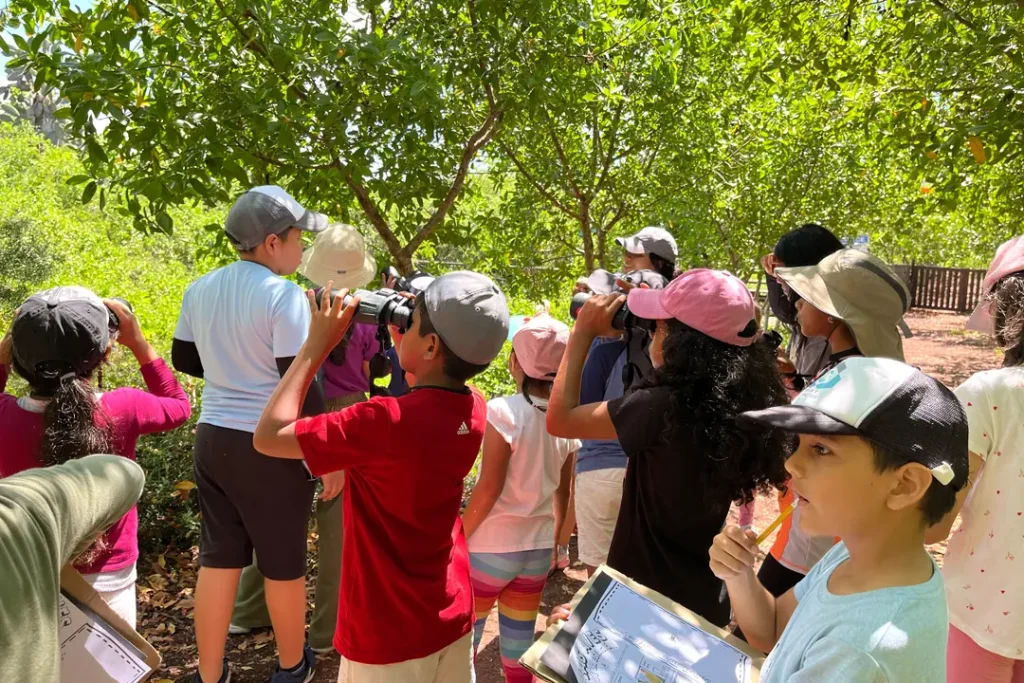
BiblioLab’s approach to education goes beyond art. It integrates reading and interactive learning into the core of the program. These activities cover important topics such as self-care and environmental awareness. This initiative involves participants in discussions on responsible interactions with nature and nurturing the full potential for young learners.
The team behind the project has shown remarkable dedication and inventiveness by successfully conducting five workshops for Galapagos Youth. Participants have developed lasting environmental education tools by repurposing recyclable materials and working with the local communities.
Impact and Future Vision
The impact was incredible. The project’s director, Ivanova Alvarez Merino says that children not only learn conservation but also discover how they can make a difference.
BiblioLab’s activities have reached nearly 400 children in Santa Cruz Island. This initiative has transformed into a space where art and educational materials combine to inspire children to be active defenders for the environment.
Galapagos Conservancy is proud to support the initiative. We recognize that education can be a powerful force for change. Together, we can create a sustainable future in the Galapagos Islands where nature and communities can flourish.
©Galápagos Conservancy
A detour that was not planned led to one the most important discoveries in the history and exploration of science. A Dominican friar Tomas de Berlanga was on a ship en route to Peru when it encountered a calm. The unpredictable currents in the Pacific carried the ship off course. He discovered a group of remote volcanic islands that were unknown to the rest of the world. They are now known as “the Islands of Giant Tortoises” or Galapagos Archipelago. This discovery revealed an amazing ecosystem that has attracted visitors all over the globe for five centuries. It is also a place of scientific research and conservation.
A Chance Encounter that Leads to Conservation Legacy
Berlanga’s letters described a harsh, rugged landscape, with arid soils and scarce freshwater. He also mentioned strange creatures that he had never seen before. Unaware, Berlanga had stumbled upon a living lab of biodiversity where evolution has produced many unique and spectacular species that are found nowhere else in the world.
The archipelago is facing increasing challenges due to climate change, increased tourism and threats to biodiversity. Conservation efforts are more important than ever. The Galapagos Islands are still a symbol of resilience, and they remind us of the importance to protect the last remaining wild places in the world.
Galapagos: A commitment to the future
We are committed to the success of this unique ecosystem at Galapagos Conservancy. We work to protect the Galapagos species and habitats through conservation programmes and environmental educational programs.
We invite you to join us in celebrating the 100th anniversary of this historic find. Every action counts. We can ensure that these islands will remain a symbol for hope, scientific discoveries, and conservation in the future with your help.
©Galápagos Conservancy