Galápagos Islands Guide
All 13 Major Islands

Explore the wildlife, lanscapes, visitor sites, 

and travel styles that make each Galápagos island unique.

The Galápagos archipelago consists of 13 major islands, 6 smaller islets, and 107 rocks/islets located 1,000 km off Ecuador’s Pacific coast. Each island has a distinct wildlife profile, geology, and visitor experience. Santa Cruz is the logistics hub; Española is the only waved albatross nesting site; Fernandina has zero invasive species.

Keys Facts About the Galápagos Island
FACT DATA
Total land area
7,880 km² (3,040 sq mi)
Protected Area
97% — Galápagos National Park + Marine Reserve
Inhabited islands
4 (Santa Cruz, San Cristóbal, Isabela, Floreana)
UNESCO World Heritage
Since 1978 (first site inscribed in the program)

Navigate the Islands

13 major islands. Each one different.

Ordered by visitor importance

Santa Cruz Island

Floreana Island, Galapagos Islands, Ecuador

Floreana Island offers a historic mailbox, green sand beach, flamingo lagoon, and vibrant marine life at Devil’s Crown.

Isabela Island

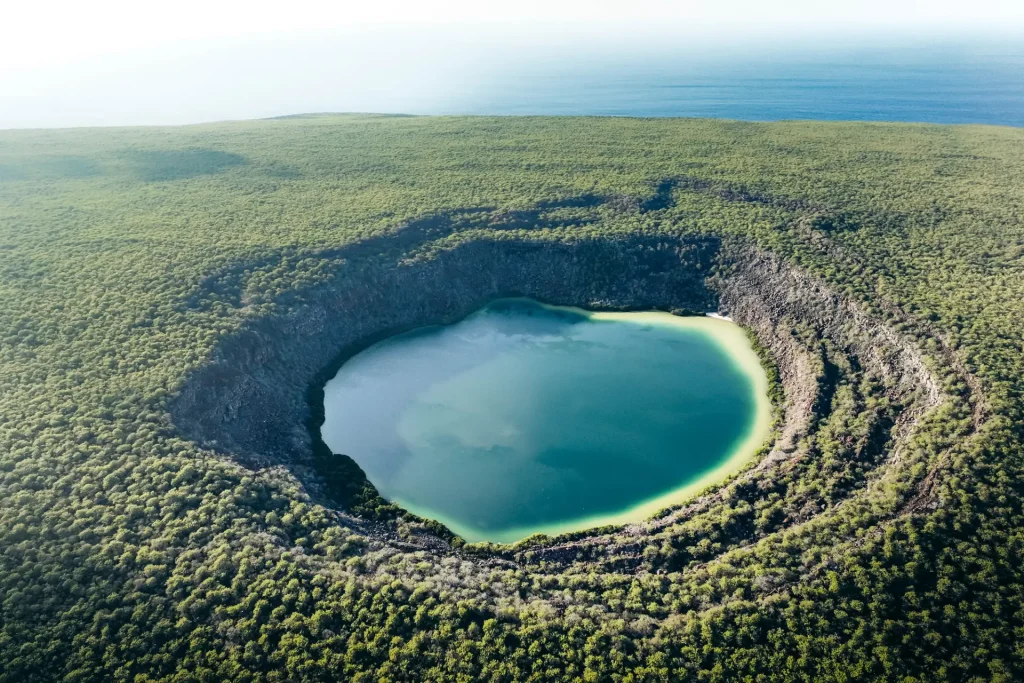
Natural lagoon | Genovesa Island
Photo: ©Galapagos Conservancy

Genovesa Island, “Bird Island,” is home to red-footed boobies, gulls, and frigatebirds, making it a birdwatcher’s paradise.

San Cristóbal Island

Isabela Island

Isabela Island, the largest in Galapagos, features volcanoes, marine life, iguanas, tortoises, and historic pirate graffiti.

Española Island

Floreana Island, Galapagos Islands, Ecuador

Floreana Island offers a historic mailbox, green sand beach, flamingo lagoon, and vibrant marine life at Devil’s Crown.

Fernandina Island

Natural lagoon | Genovesa Island
Photo: ©Galapagos Conservancy

Genovesa Island, “Bird Island,” is home to red-footed boobies, gulls, and frigatebirds, making it a birdwatcher’s paradise.

Floreana Island

Isabela Island

Isabela Island, the largest in Galapagos, features volcanoes, marine life, iguanas, tortoises, and historic pirate graffiti.

Genovesa Island

Ecological monitoring in Baltra and North Seymour Islands
© Xavier Castro/Galápagos Conservancy

North Seymour Island features blue-footed boobies, frigatebirds, sea lions, and vibrant wildlife, supported by conservation efforts.

Bartolomé Island

Rabida Island

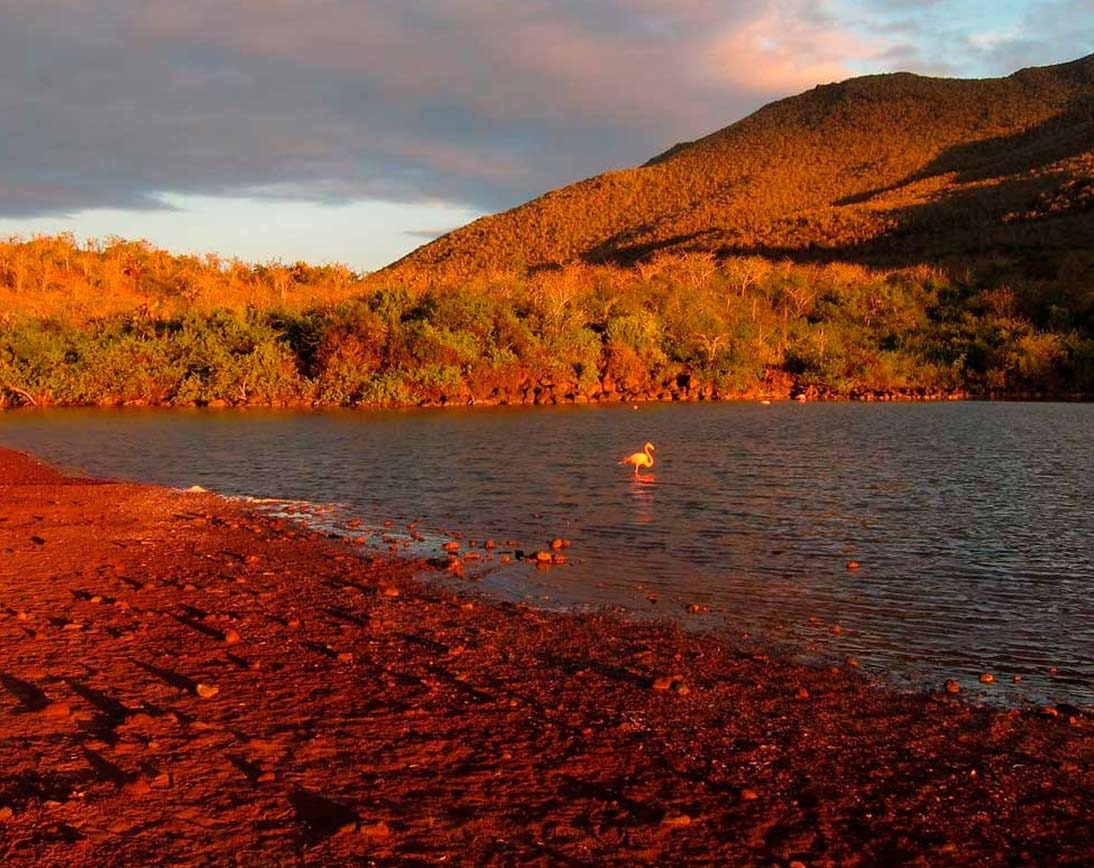
Rabida Island is known for its striking red beach, Palo Santo trees, sea lions, pelicans, and sunbathing marine iguanas.

Santiago Island

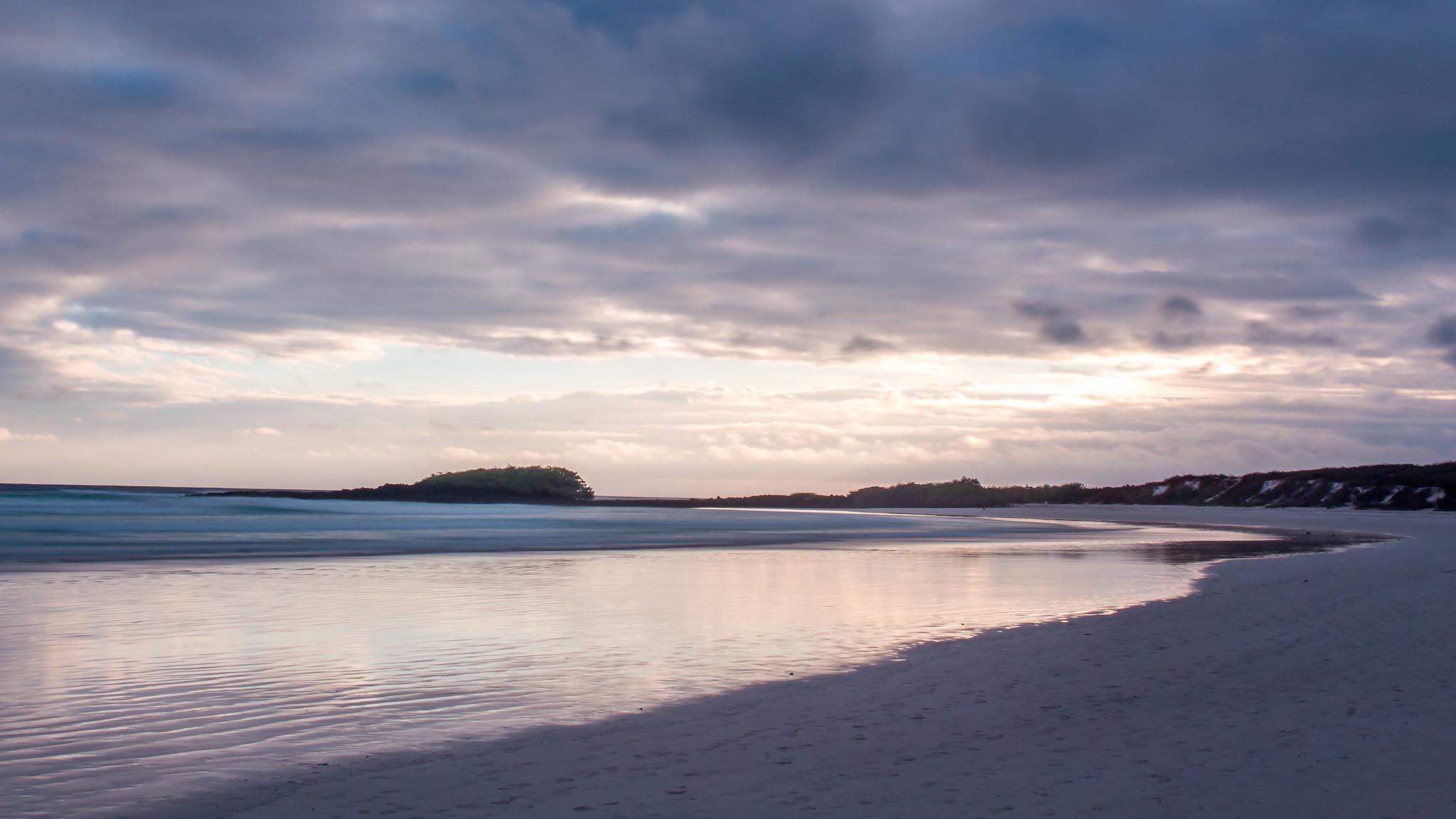
Tortuga Bay Santa Cruz

Santa Cruz Island features Tortuga Bay, giant tortoises, lush highlands, and Puerto Ayora’s shops, making it a visitor favorite.

North Seymour Island

Santa Fe Island

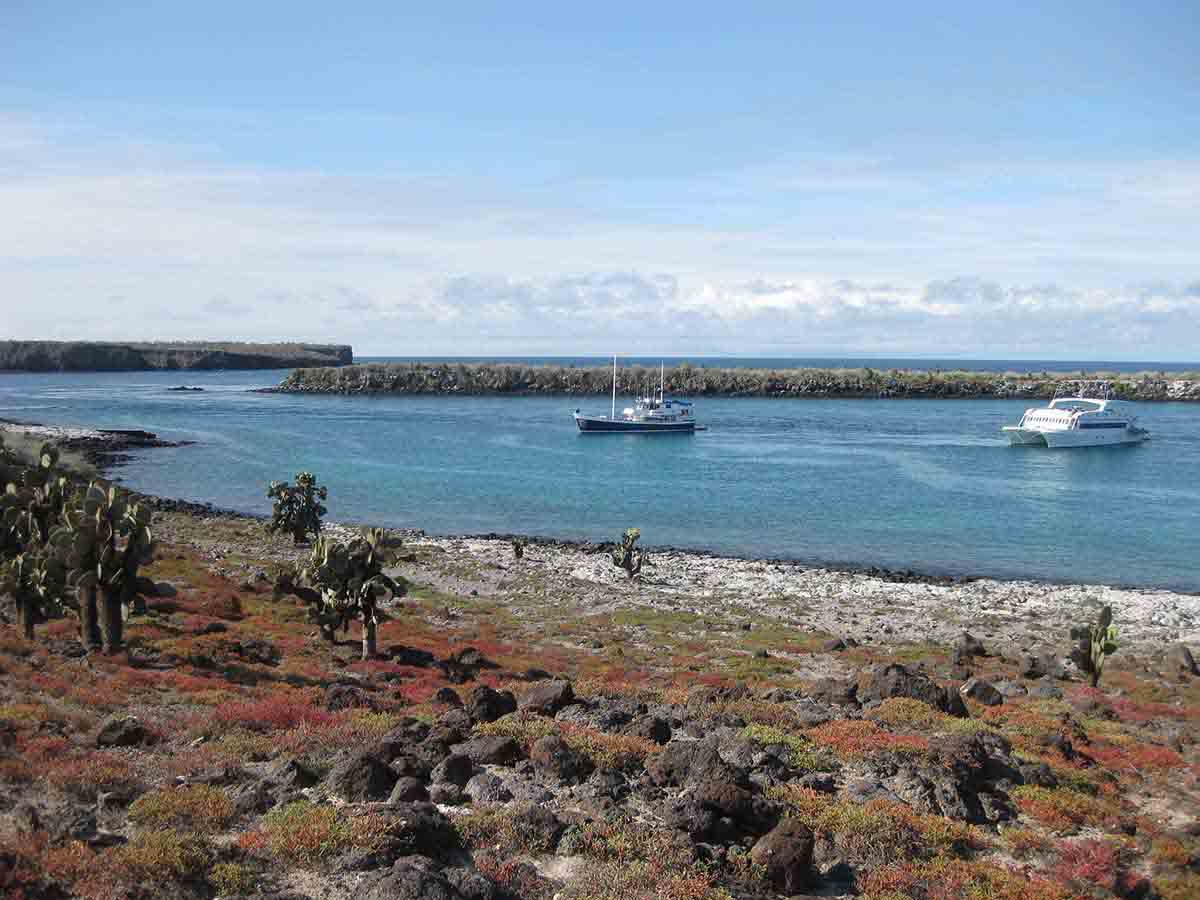
Santa Fe Island features unique wildlife, including large land iguanas, sea lions, a cactus forest, and vibrant marine life for snorkeling.

Rábida Island

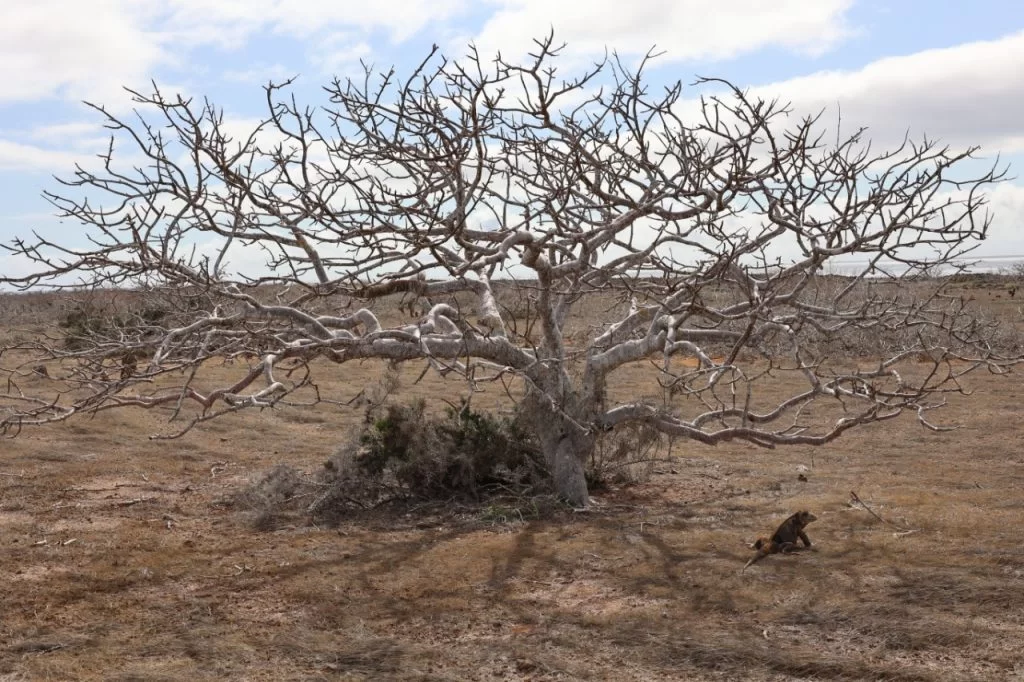
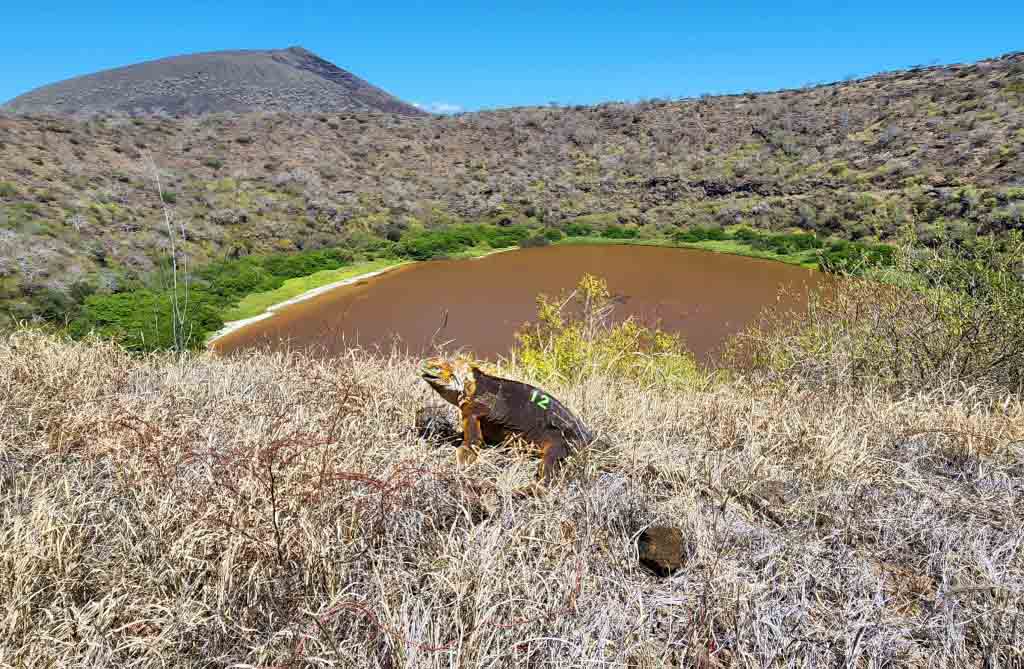
Land Iguana on Santiago Island
©Galápagos National Park Directorate

Santiago Island features golden Espumilla Beach, fur seals at James Bay, lava pools at Puerto Egas, and stunning volcanic views.

Santa Fe Island

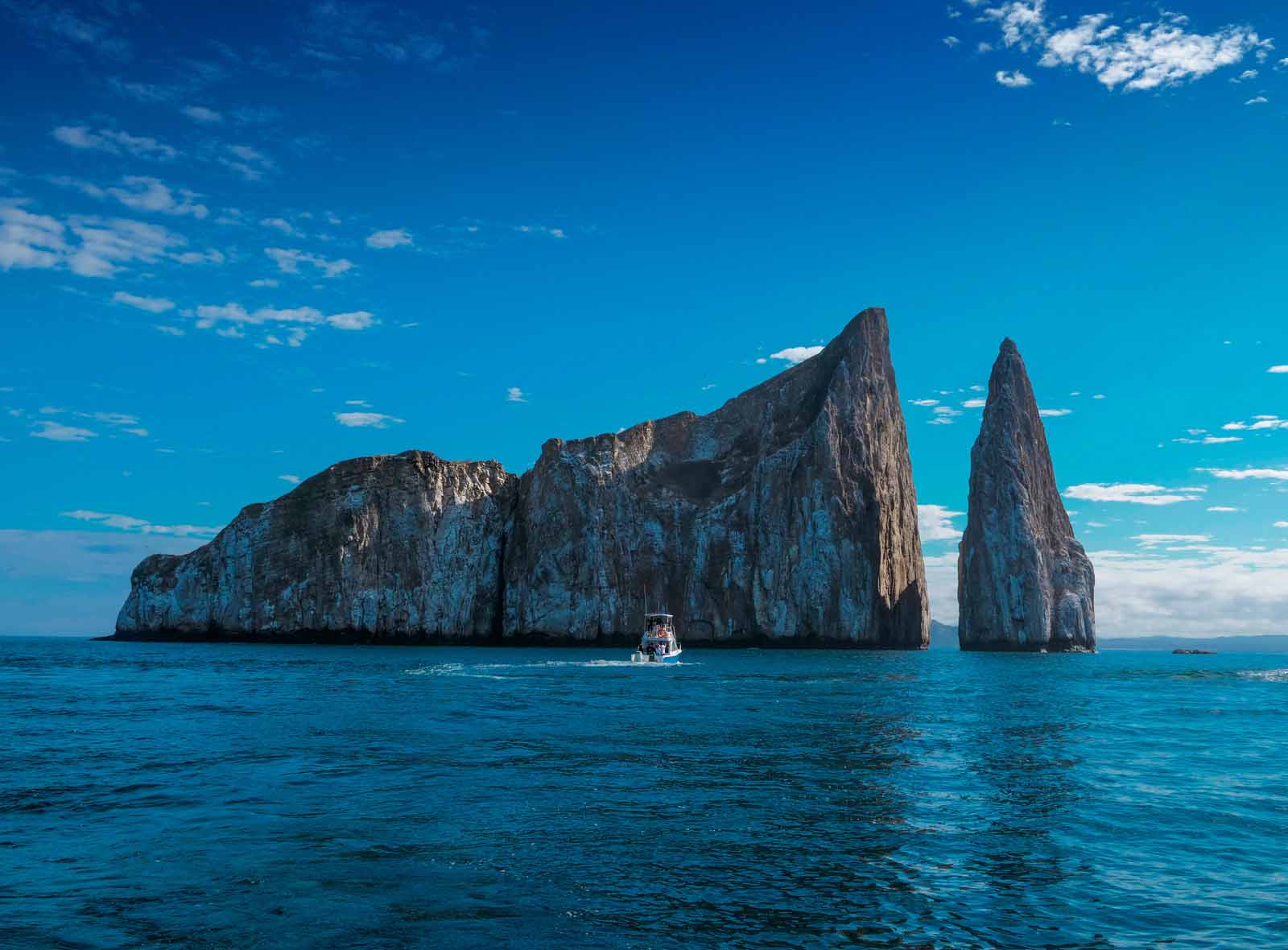
Kicker Rock | Galapagos Islands
Photo: fotocruz

San Cristobal Island features El Junco Lagoon, Tijeretas Hill’s wildlife, La Galapaguera’s tortoises, and stunning dive spots like Kicker Rock.

South Plaza Island

South Plazas Island

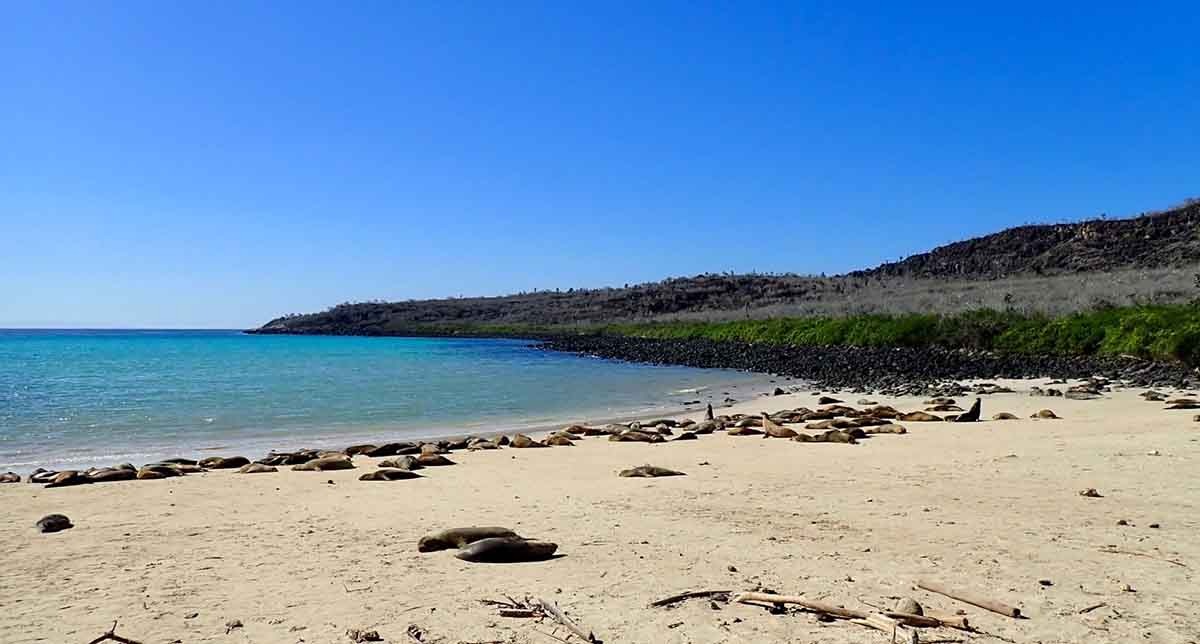
South Plaza Island is vibrant with sea lions, land iguanas, diverse bird species, and rich marine life, making it a popular spot.

How to Choose Your Islands

Looking for an unforgettable adventure? The Galapagos Islands offer a unique blend of wildlife, stunning landscapes, and rich biodiversity. From exploring volcanic terrains to snorkeling in crystal-clear waters, you’ll encounter iconic species like giant tortoises, sea lions, and exotic birds. This natural paradise is a must-see for nature lovers and explorers alike.

Frecuently Asked Questions

The Galapagos Islands are a group of volcanic islands in the Pacific Ocean, known for their unique wildlife.

They are famous for their diverse species and were studied by Charles Darwin, which led to his theory of evolution.

You can visit by flying into Ecuador and then taking a plane to one of the islands.

You can snorkel, hike, see wildlife up close, and explore beautiful beaches.