
How many official visitor sites are there in the Galápagos
and which can you actually visit?

Published 2026-09-22 | Updated 2026-09-23 | Read time: 12 min
The Galápagos National Park lists 210 official visitor sites across 23 islands. Some marine, some terrestrial. Every one needs a GNPS-certified guide, bar a handful near towns. Day trips reach roughly a third; western sites like Fernandina and west Isabela need a multi-day cruise.
A note before you start: this guide is maintained by Galapagos Islands.Travel, and it's written to be useful whether or not you book with us. The site list below is the Park's, not ours.
How many official visitor sites are there, and who sets the list?
There are 210 official visitor sites, spread across 23 islands. The list isn’t a travel-company invention. It’s set by the Galápagos National Park Directorate (the DPNG), the park authority that actually governs where visitors may and may not go. Don’t confuse them with the Charles Darwin Foundation, which is a science NGO, not the regulator.
Why does this matter? Because you can’t just walk. Roughly 97% of the land is protected National Park (established 1959), the Marine Reserve was added in 1998, and the Hermandad corridor in 2022. A guide license isn’t a nicety here. It’s the rule.
A handful of sites near the towns (Tortuga Bay, Las Grietas, some town beaches) you can visit unguided. Everywhere else, you go with a GNPS-certified naturalist, or you don’t go.

Marine vs terrestrial sites (M/T), and the quota/capacity figures
Each site is tagged M (marine) or T (terrestrial) in the Park’s data, and carries two operational numbers: a quota (CUP) and a carrying capacity (CAV). These are the Park’s own caps — how many groups and how many people a site can take at once. They’re not our figures, and they’re not quality scores. But they’re useful, and I’ll come back to why: they tell you, in advance, how crowded a place can legally get.
One caution. The permitted-activity list is exactly that: permitted. If snorkelling isn’t listed for a site, you can’t assume it’s allowed there.
Which sites can you reach on a day trip vs a cruise?
Here’s the honest split most pages skip. Day trips from the inhabited islands reach roughly one-third of the sites — the ones near Santa Cruz, San Cristóbal, Isabela and Floreana. That’s a lot. But the other two-thirds are the catch.
The about one-third rule — sites reachable from inhabited islands
Stay on land and base yourself in a town, and you can still see a great deal: Tortuga Bay and the highlands tortoise reserves near Santa Cruz, Kicker Rock (León Dormido) and Punta Pitt from San Cristóbal, the Sierra Negra volcano and Tintoreras from Isabela. It’s cheaper, it’s flexible, and for many first-timers it’s plenty.
But here’s the trade-off. You’re limited to what a day boat can reach and return from. The famous western wildlife isn’t on that menu.
Western sites that need a multi-day cruise (Fernandina, west Isabela)
The western sites (Fernandina and the west side of Isabela: Bahía Elizabeth, Bahía Urbina, Caleta Tagus, Punta Vicente Roca, Punta Moreno) require a multi-day cruise. That’s where the flightless cormorants, the penguins and the densest marine iguanas live.
The rule to remember: only Fernandina and west Isabela are unreachable on a 4-day-or-shorter cruise. Everything else is reachable on a 5-day-plus program, and the shortest cruise is 4 days. So if the west is on your list, book at least five days. If it isn’t, a shorter trip loses you very little.
Darwin & Wolf — liveaboard-dive-only, no land sites
Darwin and Wolf are the exception to everything. They have no land visitor sites, they’re dive-only, liveaboard-only, reachable on roughly 7-day dive liveaboards. This is where the whale-shark and hammerhead crowd goes. It’s not a beginner trip: cold water, real current, big animals. If you’re not a confident diver, these two aren’t for you, and no amount of budget changes that.
“Three ways to experience
the Galápagos”
Which sites are the least-visited, and how crowded is each one?
Most lists sort sites by fame. I’d rather sort them by scarcity: which sites the fewest boats reach, and how many people the Park legally lets in at once. That’s the more useful filter if you want space, not selfies.
The crowding half of that is groundable right now. Every site carries a quota (CUP) and carrying capacity (CAV) in the Park’s data. Compare two. Española’s Punta Cevallos carries a capacity of 1 — about as uncrowded as a permitted site gets — while Santa Cruz’s Tortuga Bay carries a capacity of 10. Same rules, very different feel underfoot. Read these as the Park’s operational caps, not a popularity ranking.
Punta Cevallos
Española
Carrying capacity (CAV)
1
Tortuga Bay
Santa Cruz
Carrying capacity (CAV)
10
How do I choose which activities to build a trip around?
There’s no single “best” way to do the Galápagos, only the best fit. It comes down to four things: your activity goal, trip length, island region, and season. Get those straight and the trip designs itself.
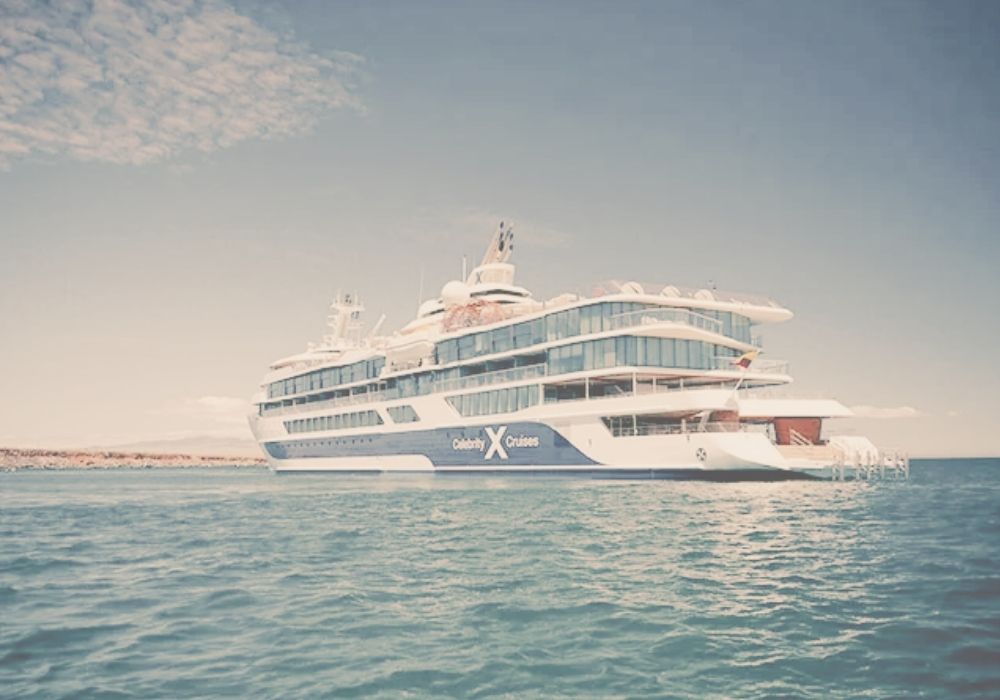
One more reassurance on crowds: every ship visits the same National Park-authorised sites on a managed, quota-controlled schedule. What changes is group size. A 16-guest yacht and a 100-guest ship feel very different ashore, but neither gets a “secret” site the other doesn’t.
Activity goal.
Diving the north? That's a liveaboard, full stop. Broad wildlife walks plus snorkelling? A naturalist cruise or a land base. Highlands and tortoises? Land-based works fine.
Trip length.
All islands can be reached on a 5-day-or-longer cruise. The only sites you can't reach on a 4-day-or-shorter program are Fernandina and west Isabela. The shortest cruise is 4 days.
Island region.
Western sites (Fernandina, west Isabela) need a multi-day cruise; the central and southern sites near towns are day-trip reachable.
Season.
Warm season (Dec–May) for calm, clear snorkelling; cool season (Jun–Nov) for the best diving and whale sharks at Darwin & Wolf.
Which activities need a cruise, and which can you do land-based?
Here’s the split that decides most trips. Day-trips from the inhabited islands reach only about one-third of the visitor sites — the ones near Santa Cruz, San Cristóbal, Isabela and Floreana. The western sites — Elizabeth Bay, Urbina Bay, Tagus Cove, Punta Vicente Roca — require a multi-day cruise. Darwin and Wolf require a dive liveaboard.
So: highlands, tortoise reserves, town-beach snorkelling and San Cristóbal surfing are all doable land-based. The outer wildlife and the north diving are cruise territory.
Now the money, honestly. These are our own figures — treat them as this guide’s data, not a third-party statistic.
Typical per-person, per-day cost by travel style
| Style | Per person per day | What it covers |
|---|---|---|
|
Land-based (hotel + day tours) |
about $150–$700/day |
Budget hostels + shared day tours through to high-end hotels + private guiding |
|
Cruise |
about $445–$2,193/day (median about $907) |
Cheapest cabin per duration across the fleet; charter excluded |
The fees nobody folds into those numbers, because they’re extra everywhere: the $200 National Park entrance fee, the about $20 INGALA transit control card, and about $400–$500 mainland airfare from Quito or Guayaquil (about 3 hrs; arrive a day early). Whether you cruise or stay on land, those three are fixed.
When is each activity best?
The Galápagos is a year-round destination — there’s no single best month overall. Timing only matters when it’s tied to a specific activity or species:
Snorkeling
warm season (Dec–May), calmer and clearer water.
Diving
cool season (Jun–Nov), nutrient-rich water and peak sea life.
Whale sharks at Darwin & Wolf
about Jun–Nov, a feeding aggregation (dive-only).
Surfing at San Cristóbal
start of the warm/wet season, warmer water.
One honest caveat: none of these is a guarantee. El Niño years shift conditions, and no one should promise you a specific animal sighting.
“Some places begin
where the road ends.”
What are the rules — what is not allowed?
Galápagos travel is tightly regulated, and the rules are the floor everyone works to. In the protected areas: a licensed naturalist guide is required; stay at least 2 metres from wildlife; no touching, feeding or flash photography; stay on the trails; take nothing — no rocks, shells or sand; no wildlife souvenirs (black coral, shells, turtle shell); use reef-safe sunscreen; camping by permit only.
No tourist drones, anywhere. Biosecurity is enforced by ABG: luggage is inspected, and no fresh produce or seeds are allowed in. These aren’t marketing. They’re why the wildlife is still fearless.
Frequently Asked Questions
No tourist drones, no touching, feeding or flash photography, and you must stay at least 2 metres from wildlife. You can’t take rocks, shells, sand or any wildlife souvenirs, or bring fresh produce or seeds through biosecurity. A licensed naturalist guide is required at nearly every visitor site.
We don’t have a sourced answer to this in our fact pack, and we won’t guess. Ecuador-wide legal and social context sits outside our verified data. Ask a specialist for current, on-the-ground guidance before you travel rather than relying on an unsourced claim here.
Buy local crafts and coffee, not nature. You may not take shells, black coral, rocks, sand or any wildlife products. They’re prohibited souvenirs, and biosecurity checks for them. Support the local towns of Puerto Ayora and Puerto Baquerizo Moreno instead; that’s the responsible take-home.
Two honest routes. A 5-day-or-longer cruise reaches all islands, including Fernandina and west Isabela. Or stay land-based across Santa Cruz, Isabela and San Cristóbal with day tours, mixing highlands, tortoise reserves and town-beach snorkelling. Seven days is comfortable for either.
Snorkel alongside sea lions and turtles; dive Darwin & Wolf (experienced only); walk naturalist trails like Punta Suárez; hike Sierra Negra; visit a tortoise reserve; kayak a bay; take a panga ride; surf San Cristóbal; see the Charles Darwin Research Station; climb Bartolomé’s viewpoint.
Visa and entry specifics aren’t in our verified fact pack, so we won’t state them. What is fixed for everyone: the $200 National Park fee and the about $20 INGALA transit control card, both extra. Confirm current entry requirements with an official source or a specialist before booking.
Explore More
Related Guides
- Galápagos Cruises: the full guide
- Best Time to Visit the Galápagos
- Galápagos Trip Cost: Daily Budget Breakdown
- Per-island guides
Sources
Galápagos National Park (DPNG) visitor-site activity data; this guide’s per-day rate and itinerary-scoring datasets; core planning facts (park fee, INGALA transit card, mainland airfare).
Planning a Galápagos trip?
Travelers can contact Voyagers Travel Company for a full travel-planning service.
Travel agents and tour operators looking for expert DMC services in the Galápagos can reach out to Latin Trails.